Ideation & Prototyping

DM-GY 6053A Instructor: Benedetta Peantella

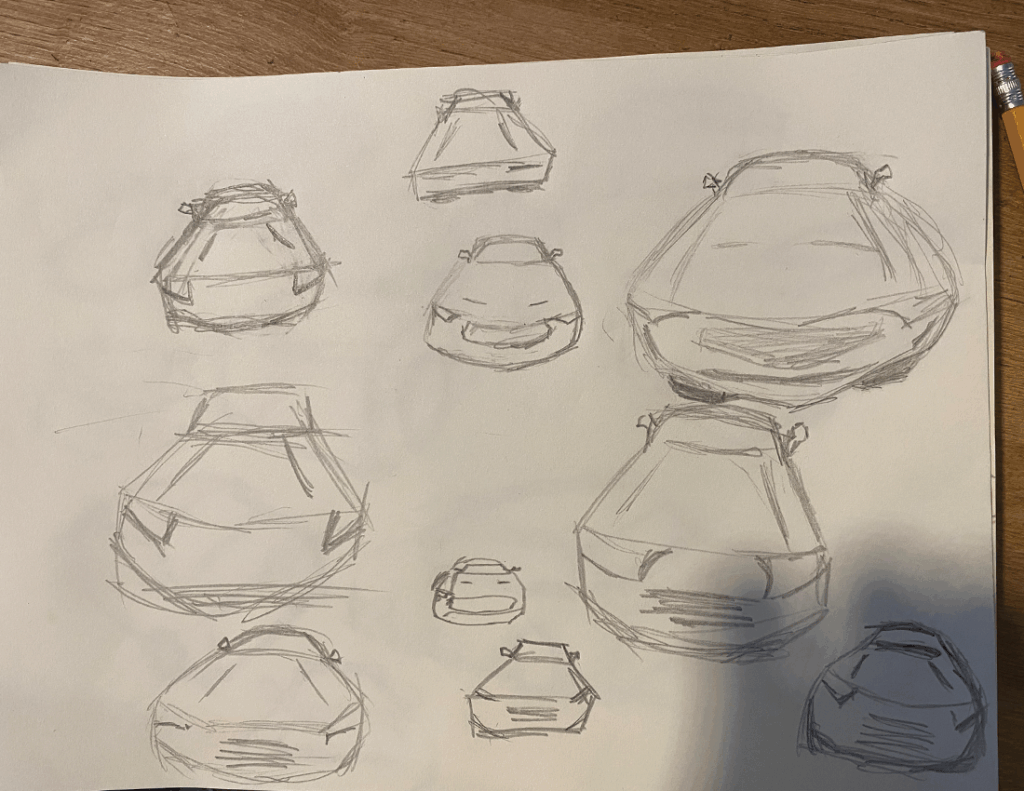
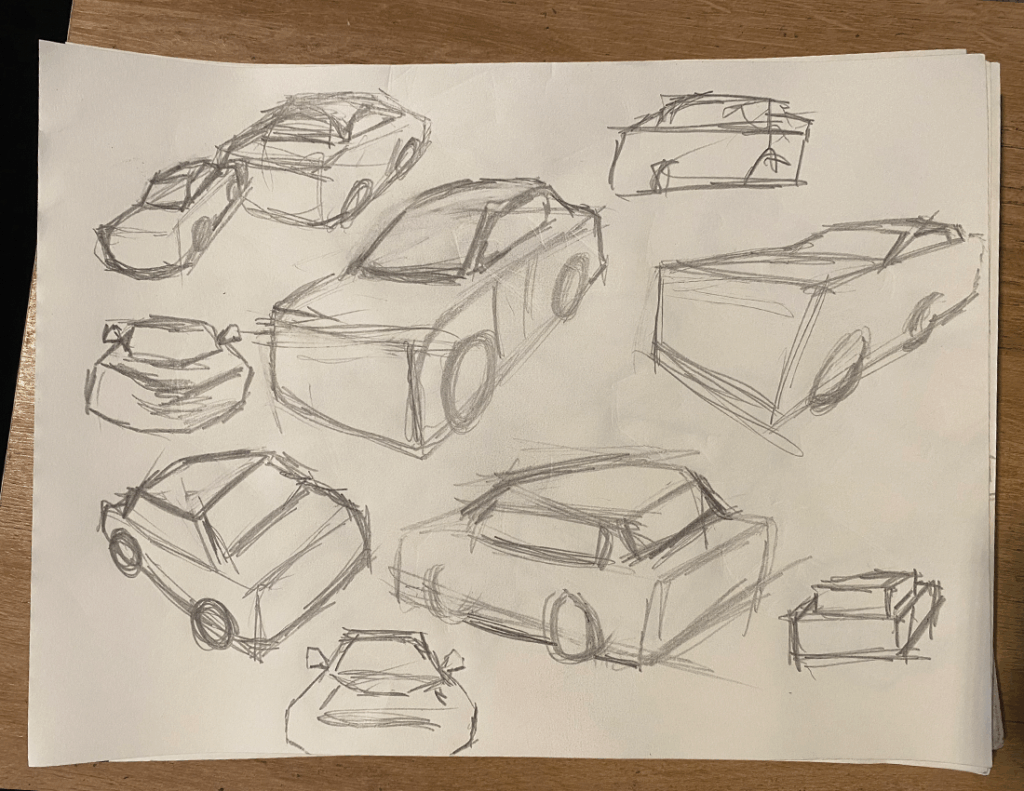
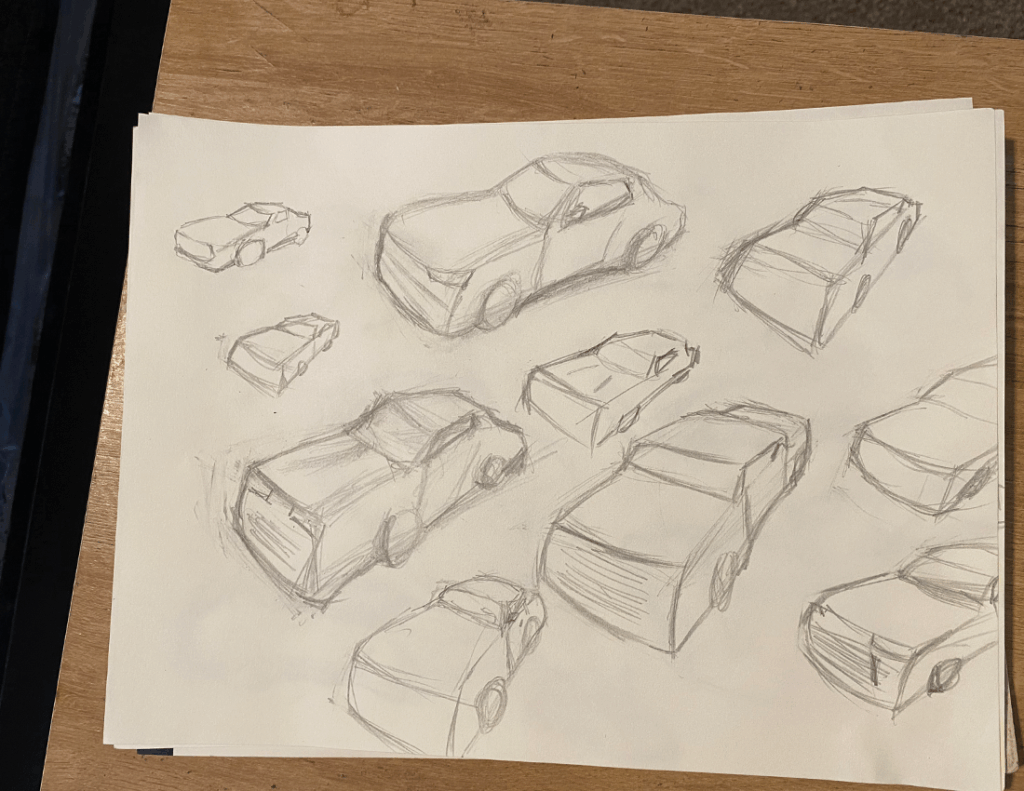
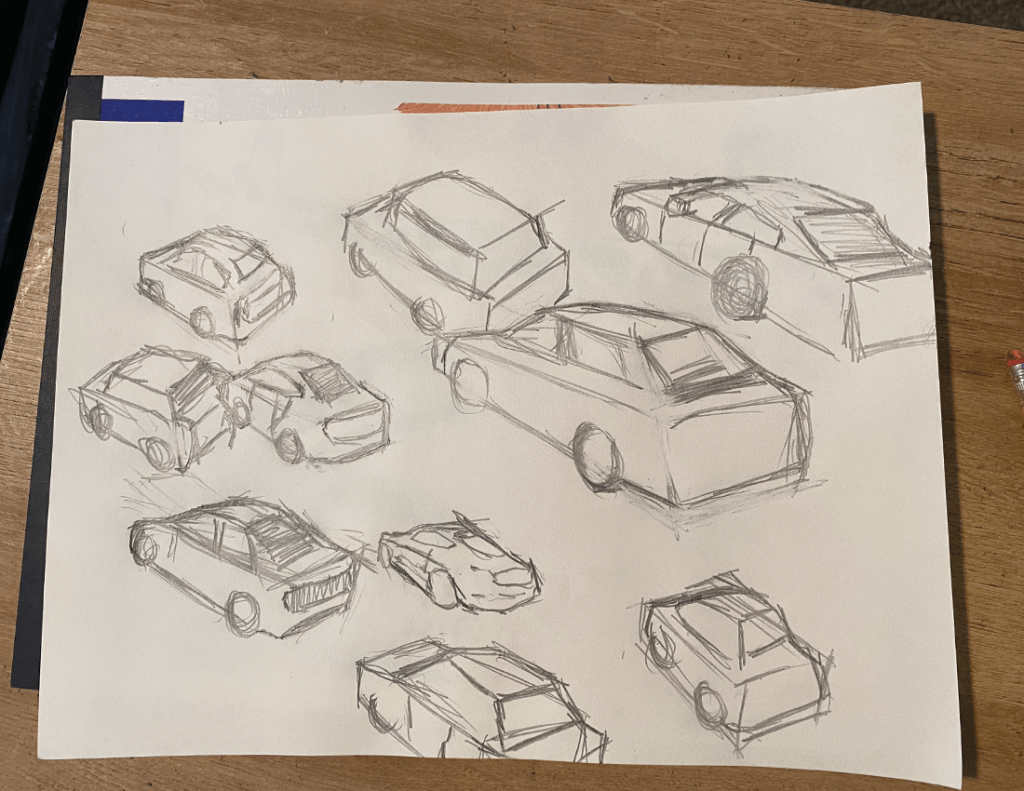
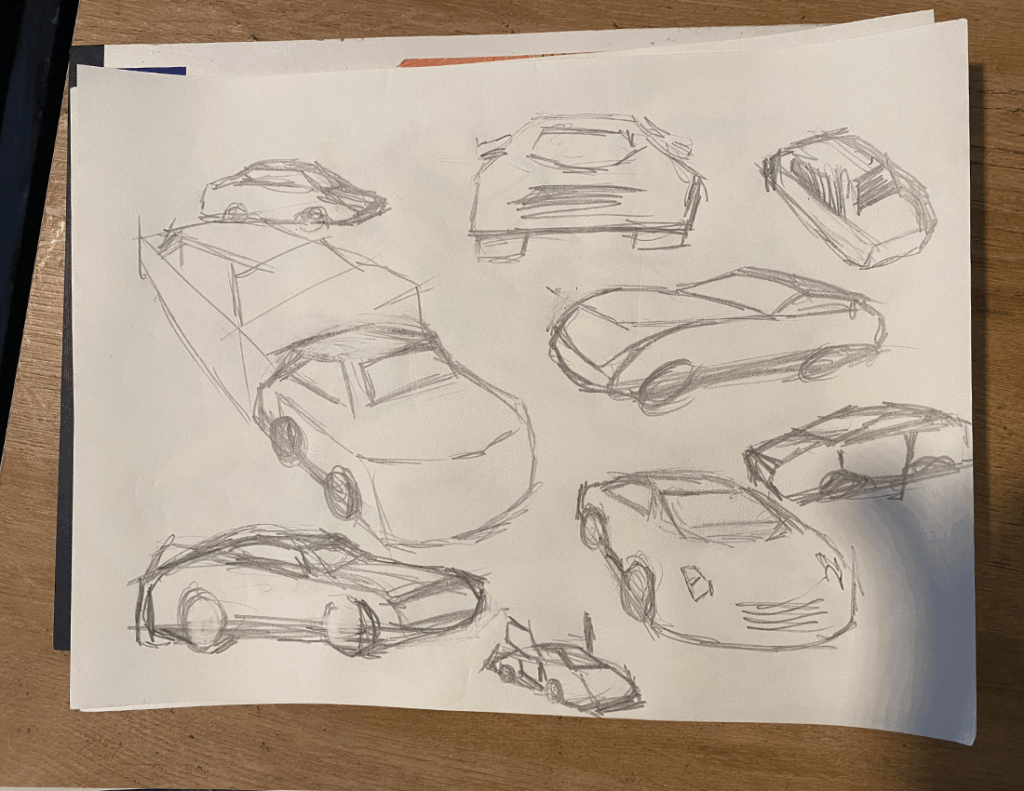
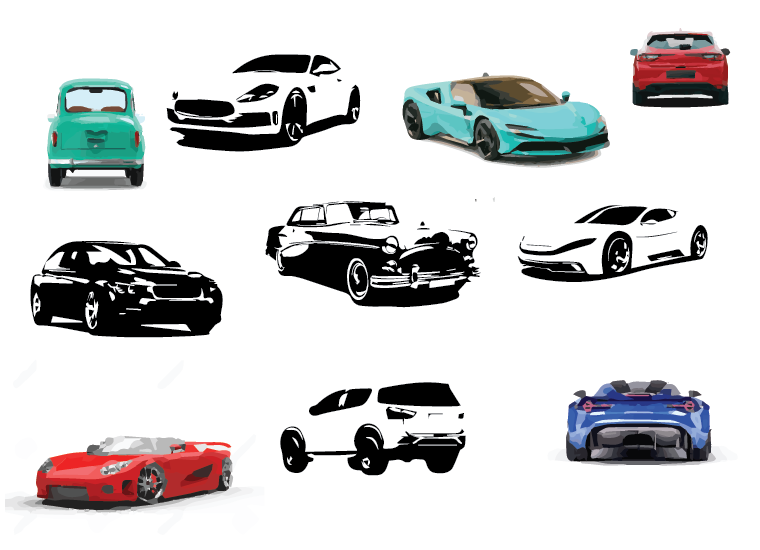
The last group of cars were done in Adobe Illustrator using the image trace tool. This a powerful tool to know, because in can turn any image into vector art for high quality printing at any size. You also experiment with different filters and color modes.

A quick story. I had a client who brought his logo to the printer only to find out it was a PNG file and it couldn’t be printed. He also didn’t have the name of the original font. He was told by several printers that even though he thought the logo art was perfect and he didn’t want to change it. It would have to be recreated. with no guarantee it would be exactly the same. He gave it to me and after thinking about it and not having the name of the font. I tried using image trace for the drawing and the text together. It came out perfect and he took back the printer in vector format.

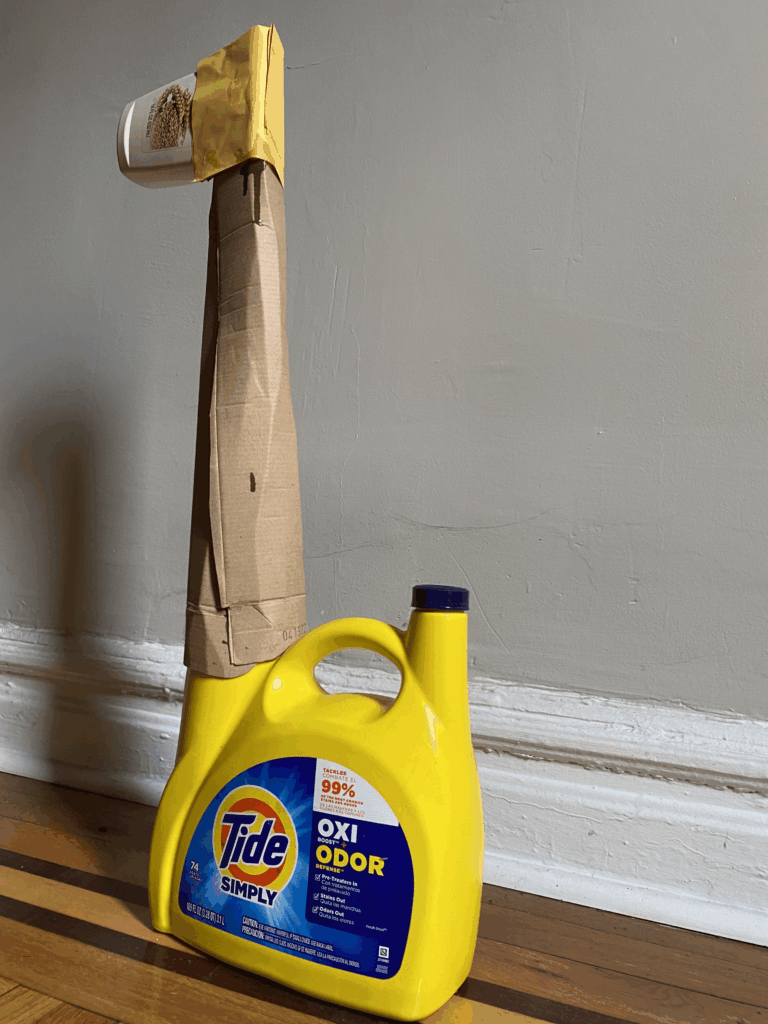
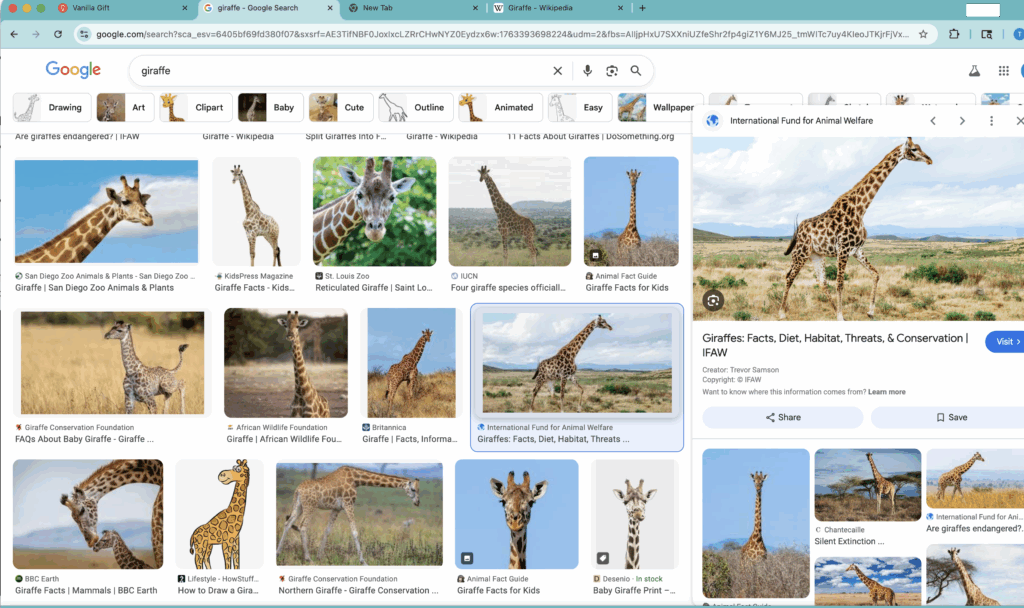
I started by collecting trash items I could use to create an endangered animal prototype. Even though I wasn’t sure what I was going to make at the time. At a later time, I looked up endangered animals and picked the Giraffe. I then sorted though the items I had and picked what I thought I could use to create a Giraffe. While I was working on my other assignments for my other classes and some for this class. When I took a break. I would quickly go over how I would put together a Giraffe in my head with what I had. What I realised was, by the time I was ready to put the actual thing together. I already had everything plan out and made. All I had to do was the physical part of putting it together and that process made it a lot easer than I thought the project would be.

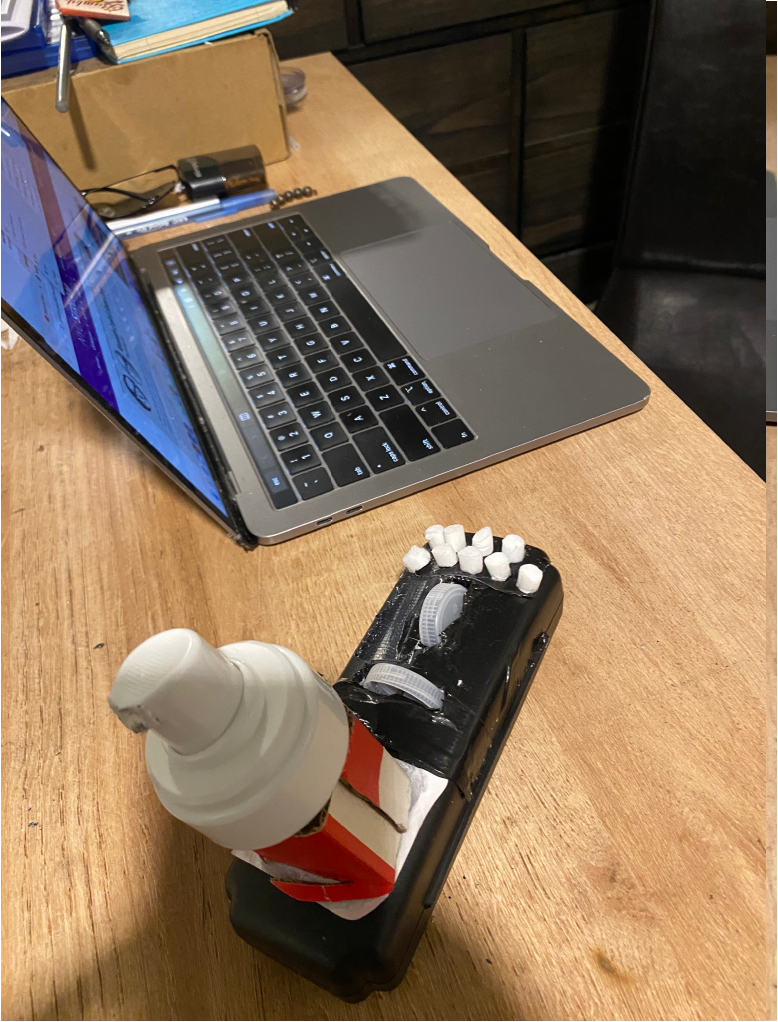
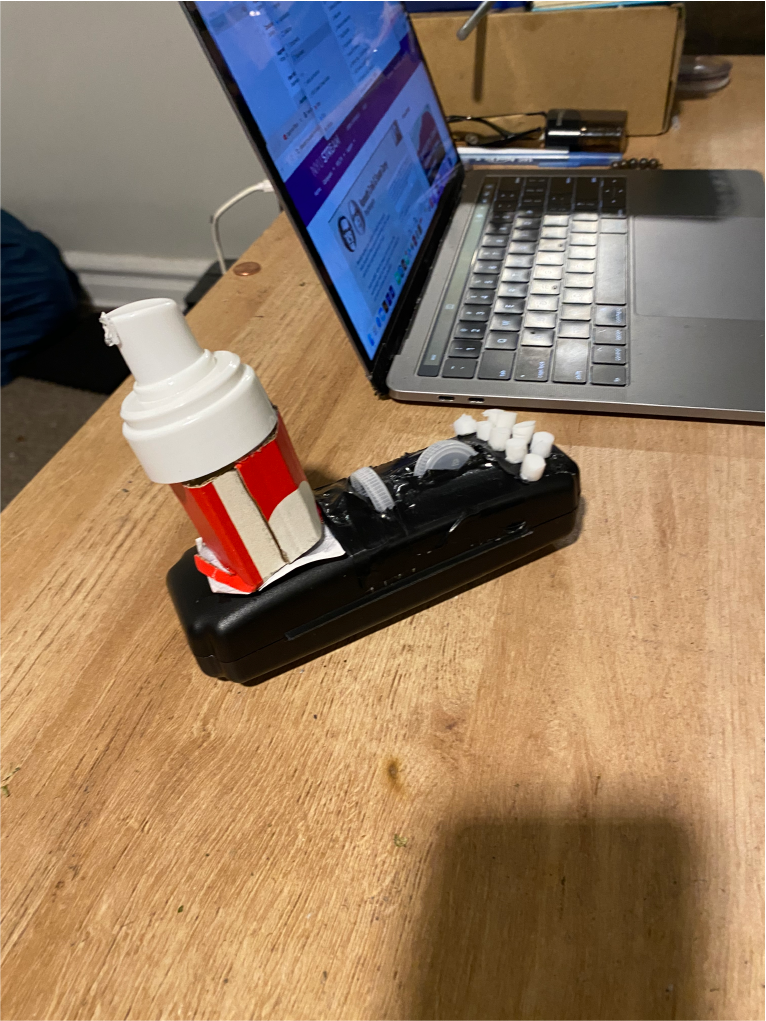
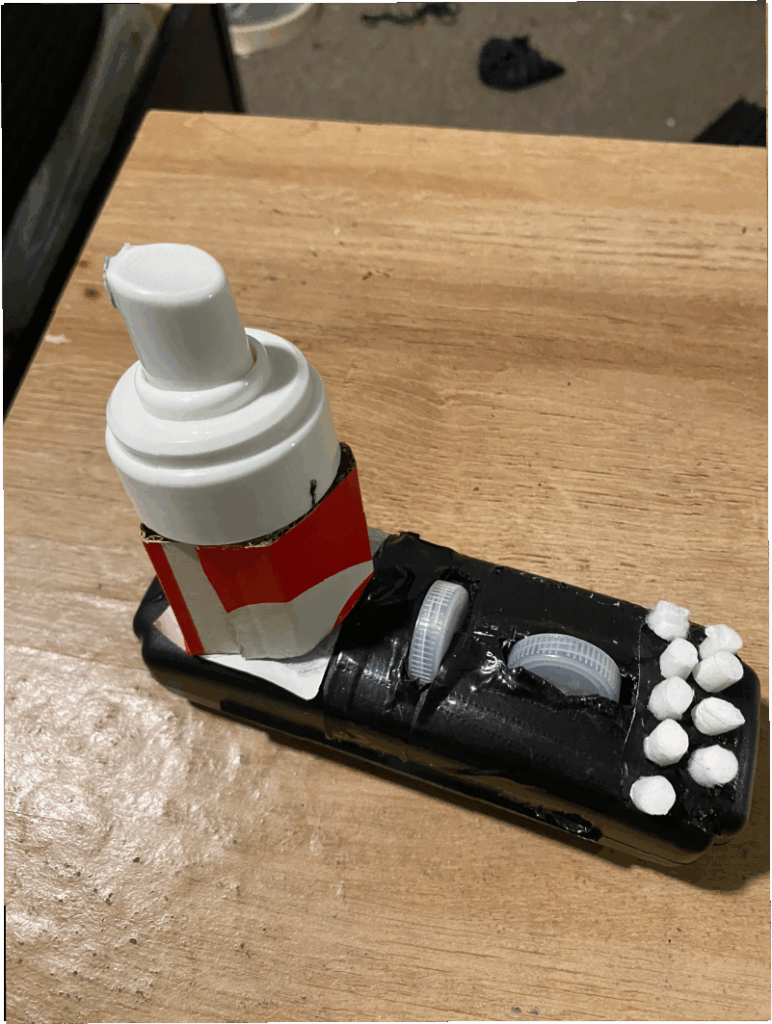
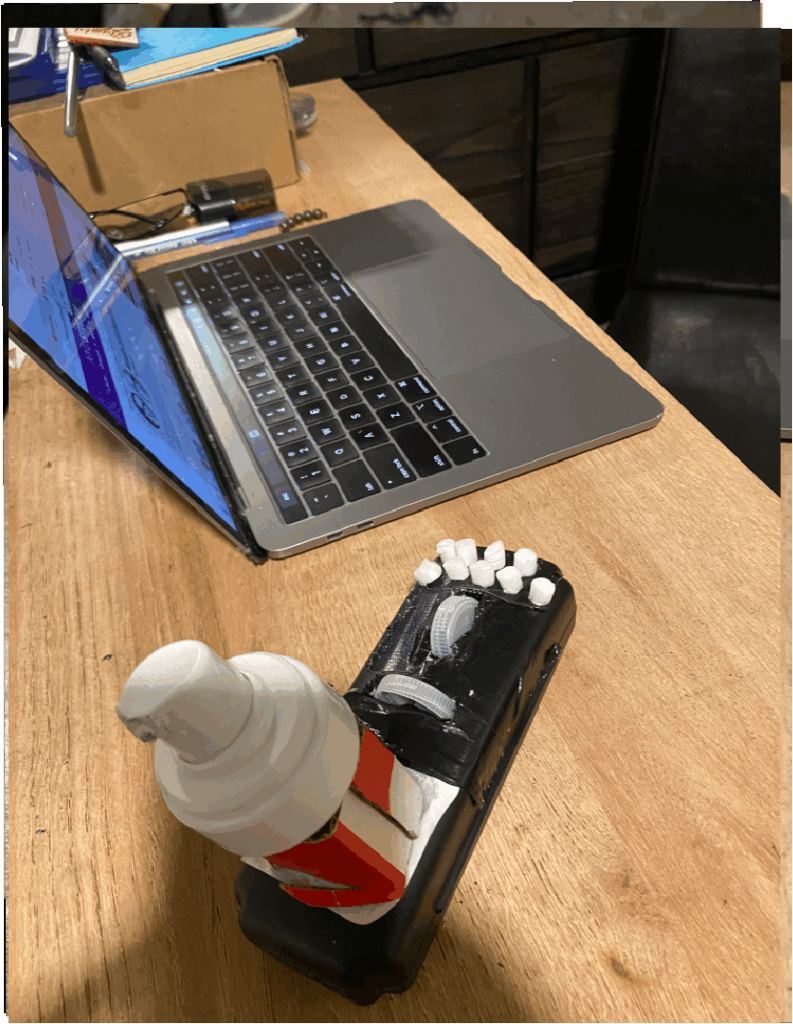
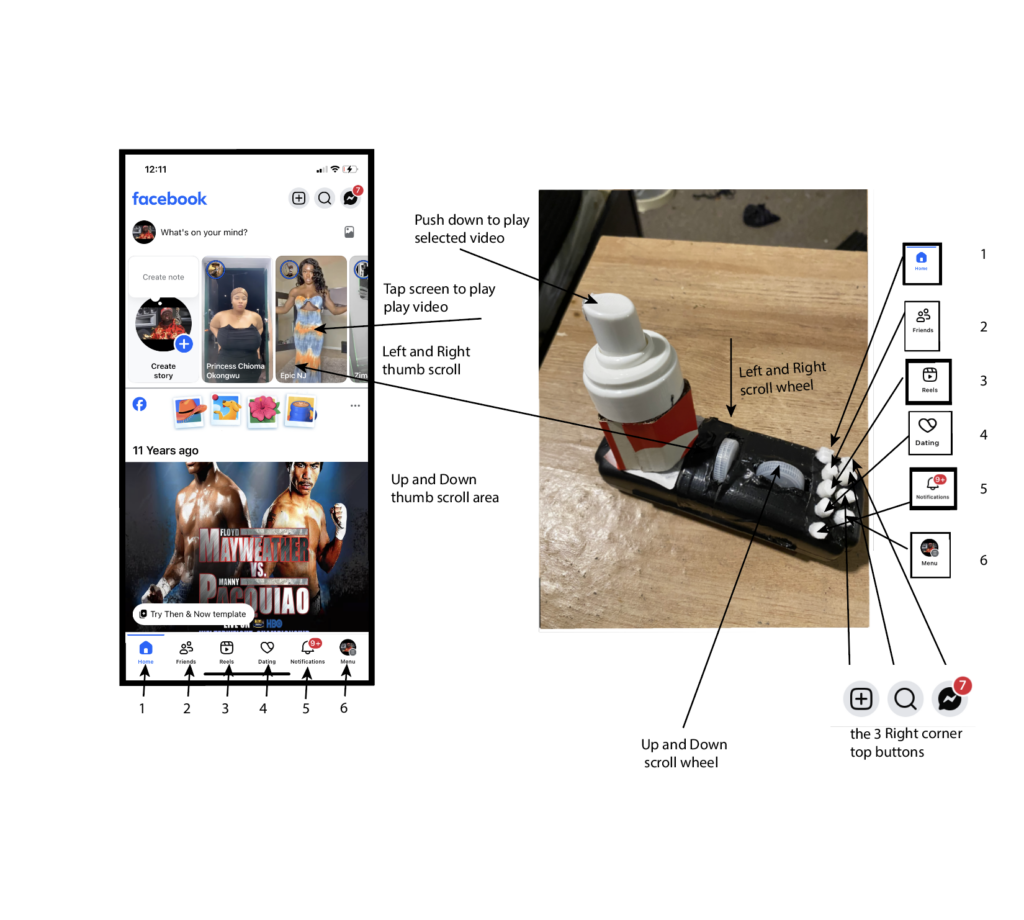
This is my FaceBook physical remote. I replaced the left and right thumb scroll. With a left and right turning wheel. I also replaced the up and down thumb scroll with an up and down turning wheel. I replacedv thev play button with a push pump and the top and bottom button selection with buttons along the bottom.

Reflection

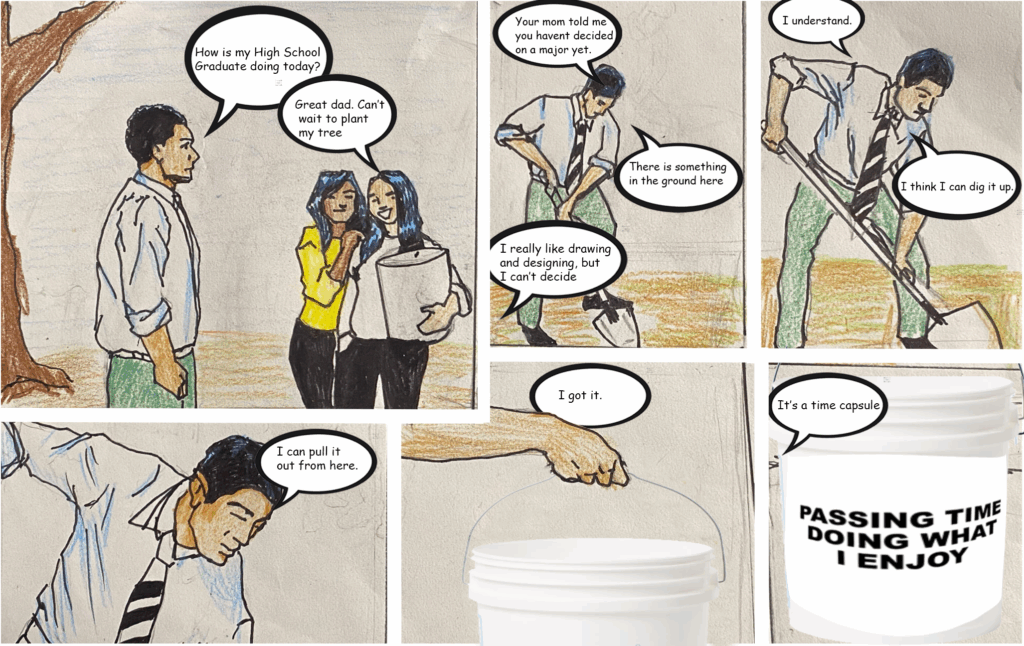
I selected these items for my time capsule, because they tell the story of my journey as an advertising designer. The external hard drive have digital items from my undergrad years and early digital layouts from Marvel Comics.The 2 pet wipes are packaging designs that I did while working with Precious Tails pet supply company. The light and dark blue pet wipes packaging sample was given to me to redesign and help launch their new line of pet supplies call Brooklyn Pet Gear. The 2 color digital layout on the screen is what I came up with to be more masculine, playful and cost effective.

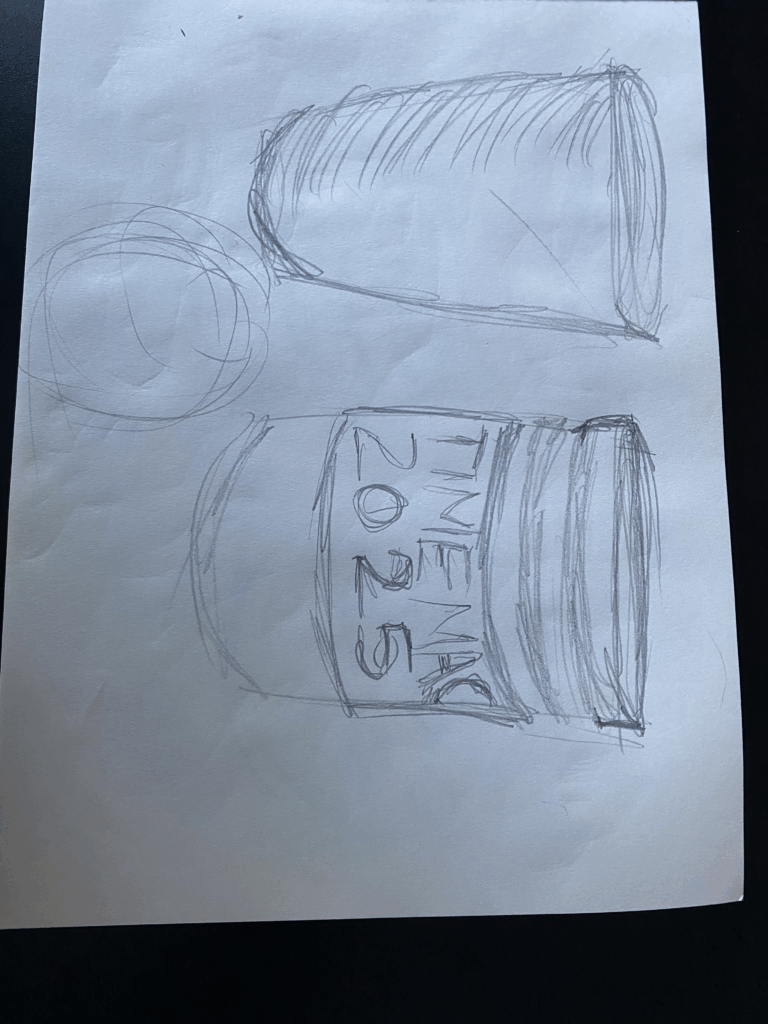
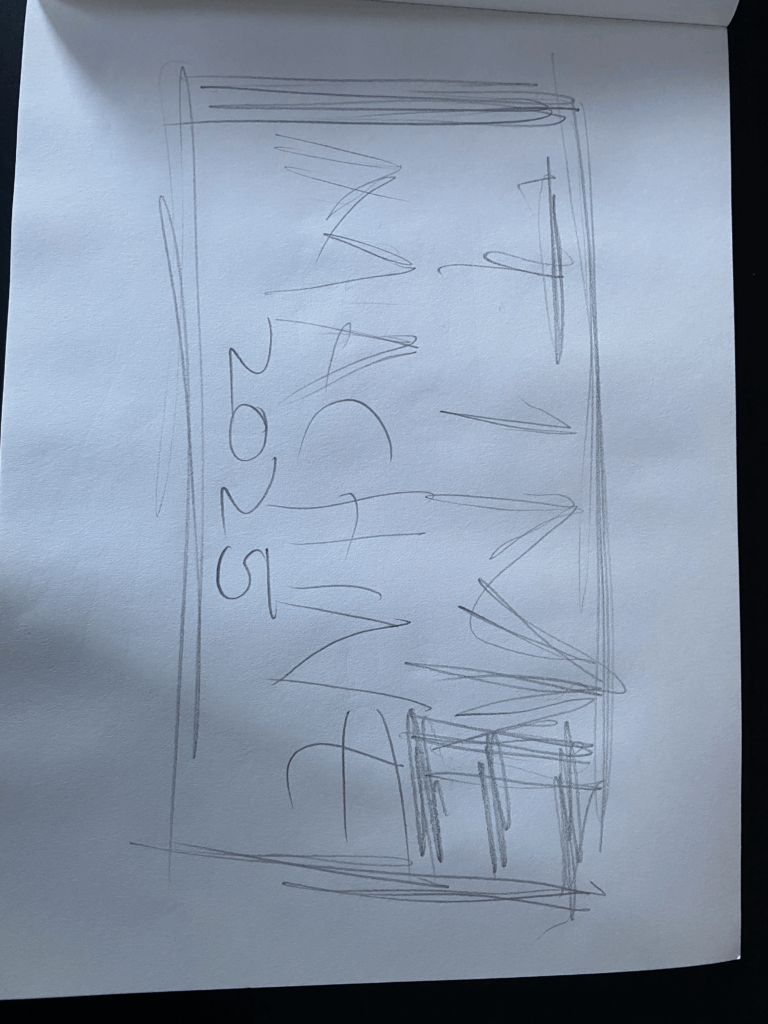
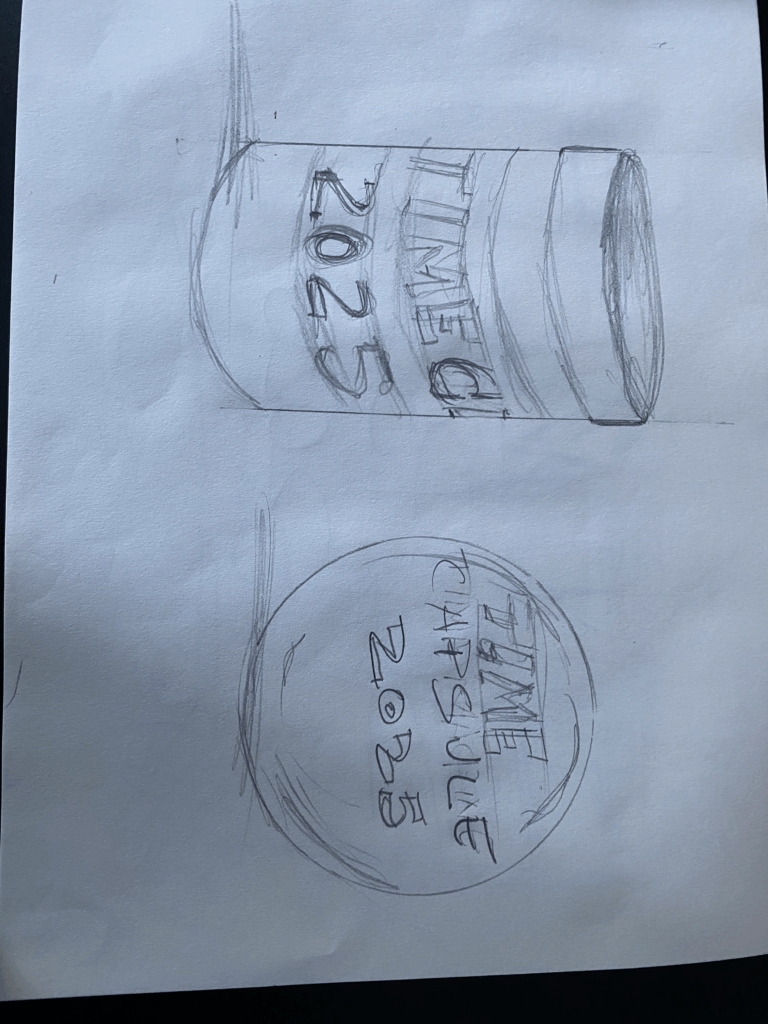
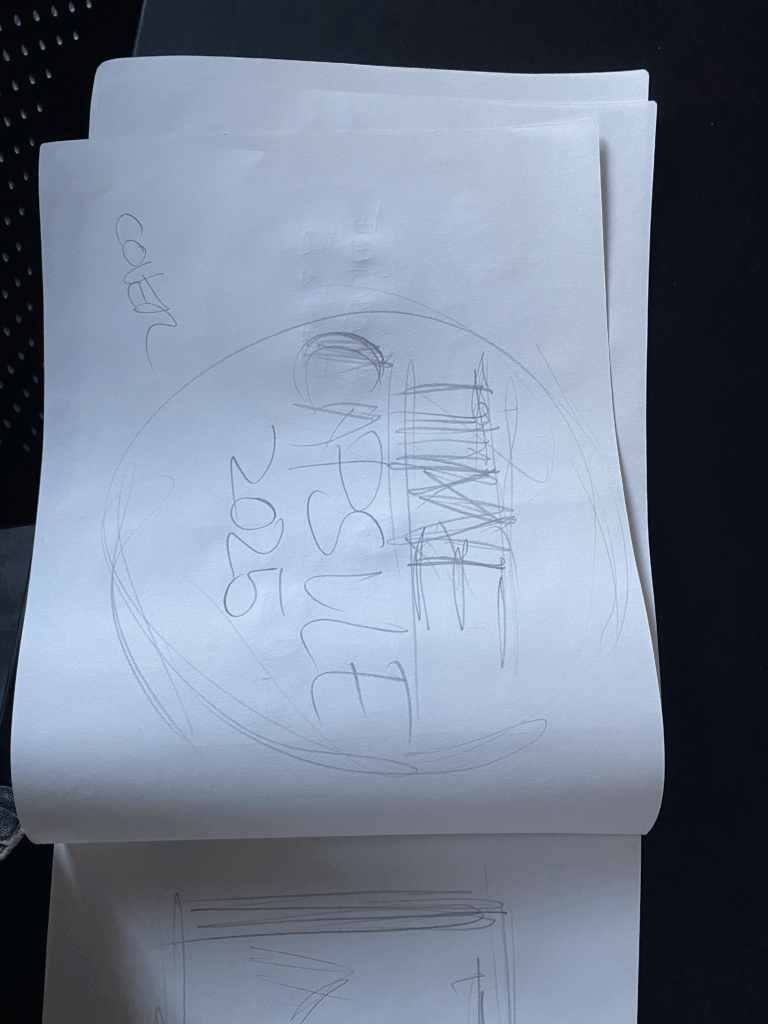
I when I thought about a time capsule container I wanted something that can be opened easily. Unlike a vault or something with a lock. It should also be whether proof. So I chose to use a 10 gallon bucket. It’s easy to pry open, it’s made from plastic and it’s big enough to hold the contents. I am now thinking of a outside and top design for it. 

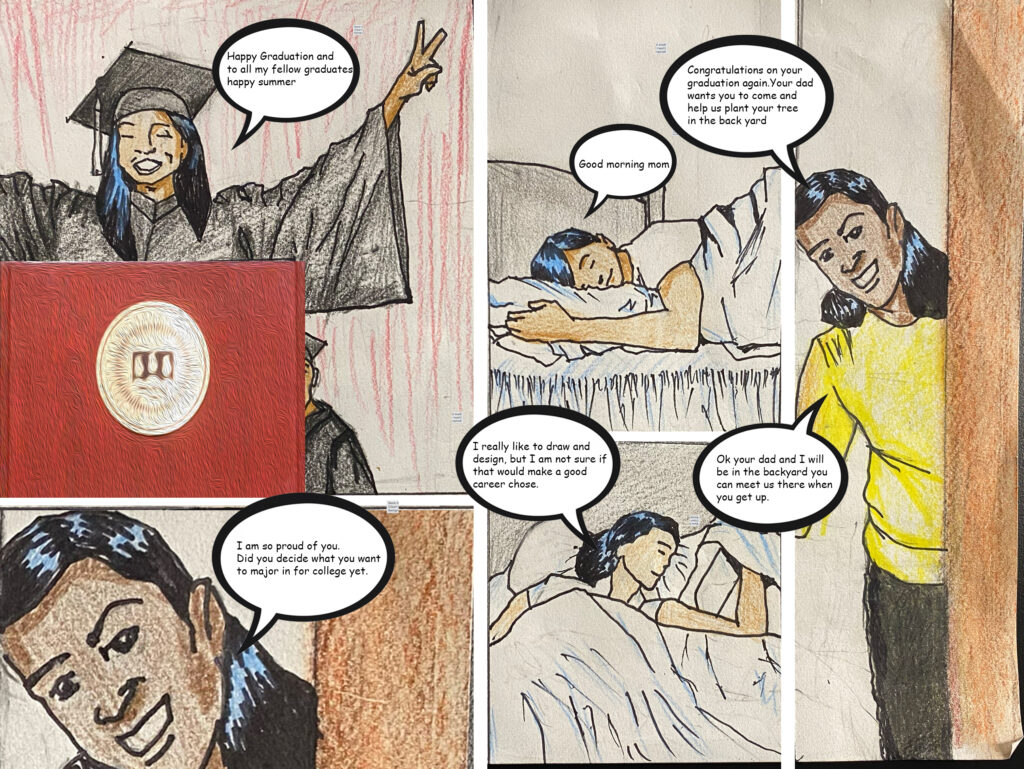
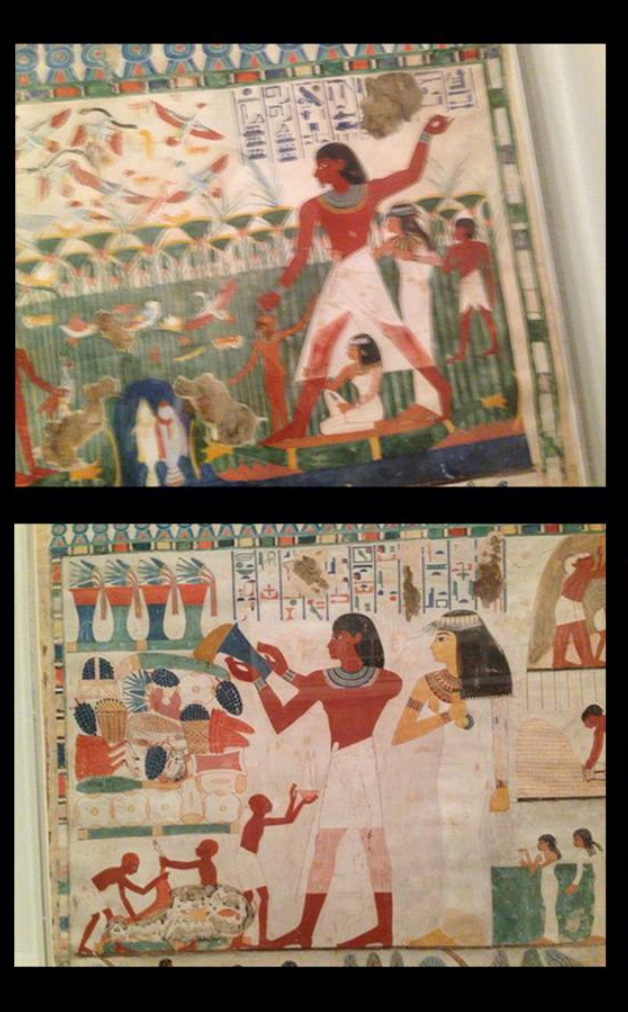
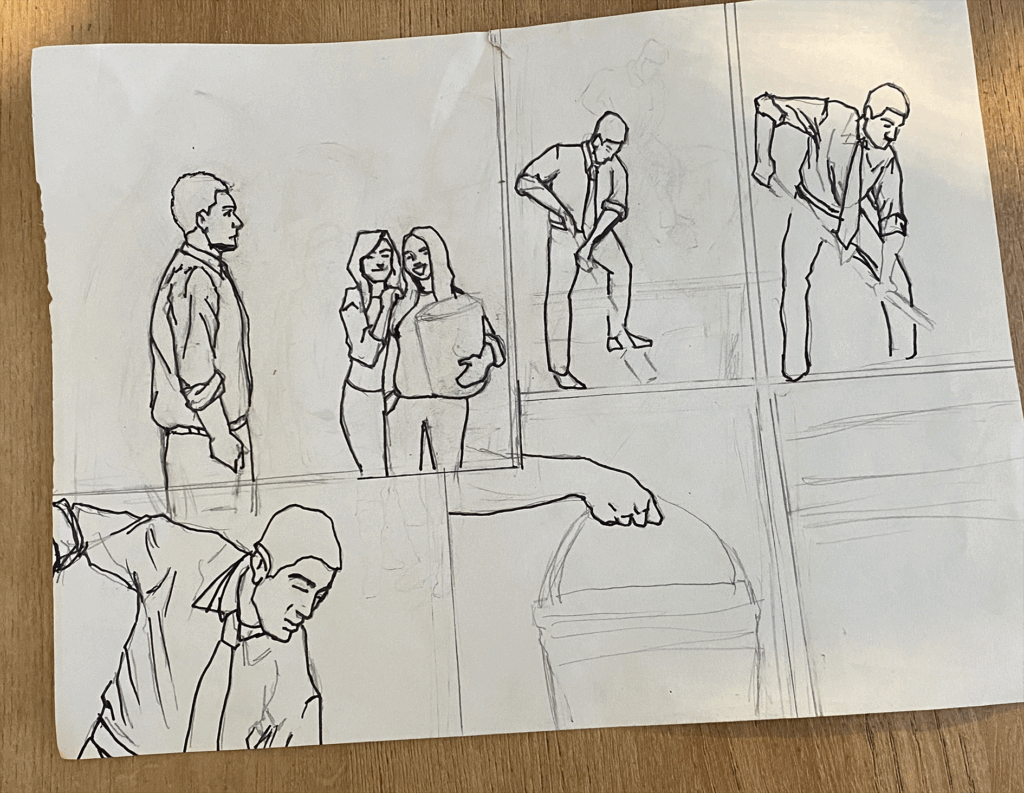
First I look at some Egyptian artworks and atifacts to get inspiration for paneling my story. The Egyptians created the technique of paneling drawings to tell stories.

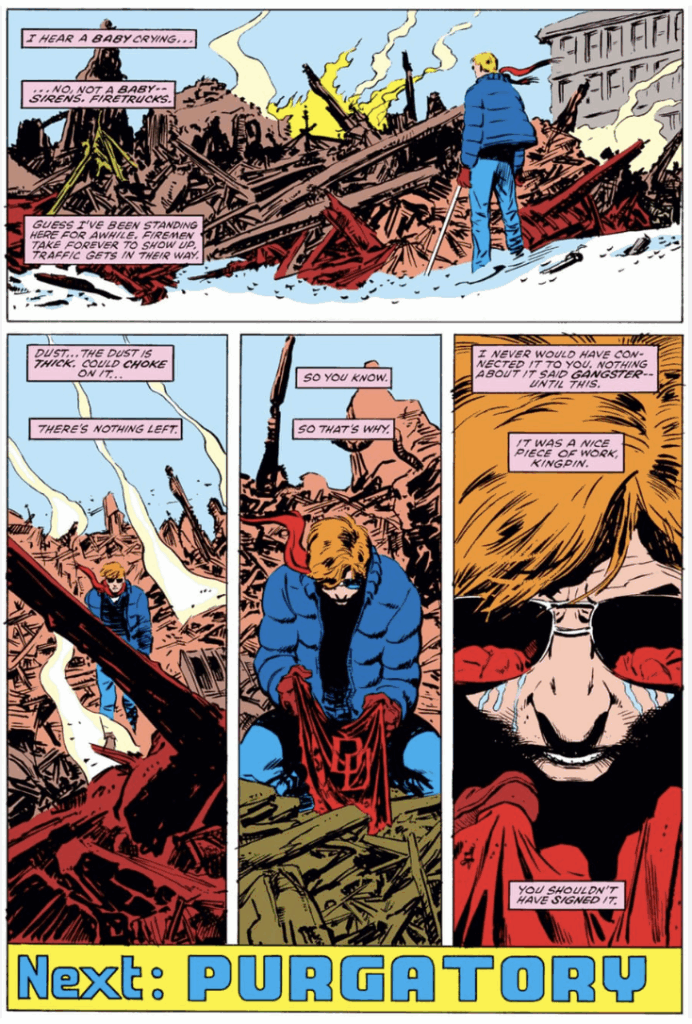
I also look at some of Frank Miller’s work, because he’s one of the best at paneling scenes to tell a story. Sometimes you don’t have to read his paneling work to get the message he’s sending. He’s a multi talented writer and penciler  for Marvel Comics and this Dare Devil comic book. He’s also the writer and director of the movies, RoboCop, Sin City, 300 and The Spirit.

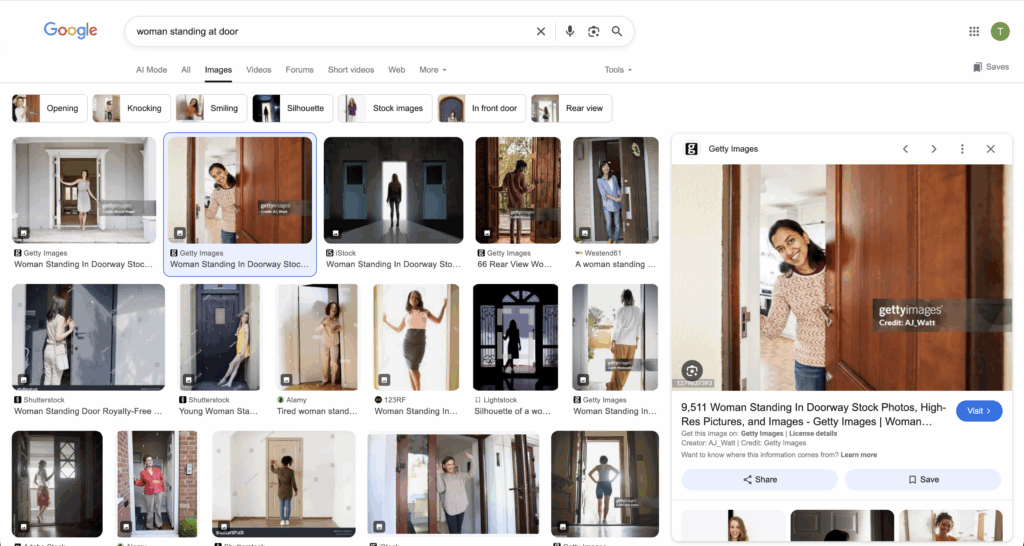
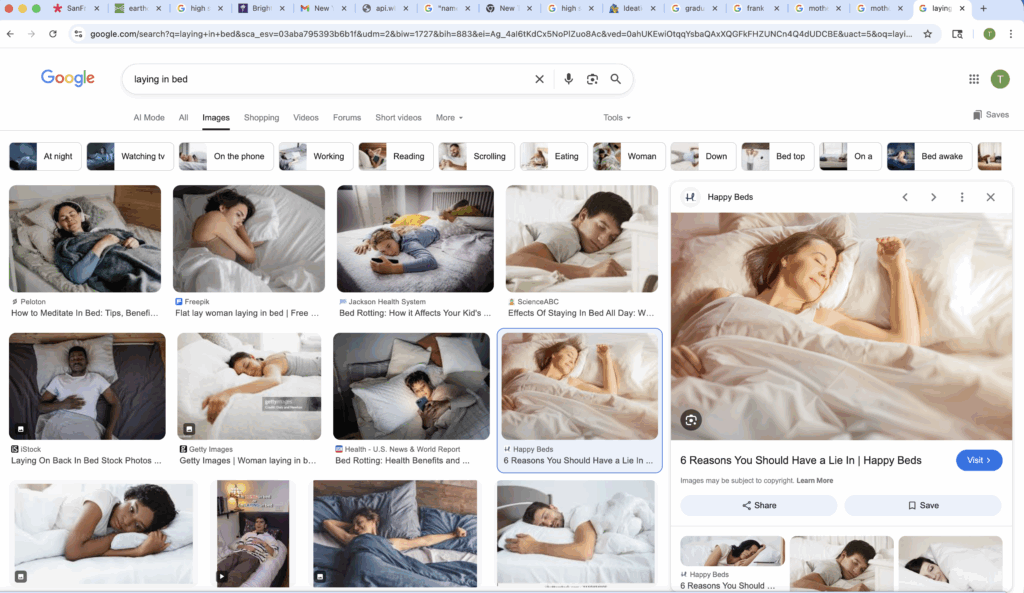
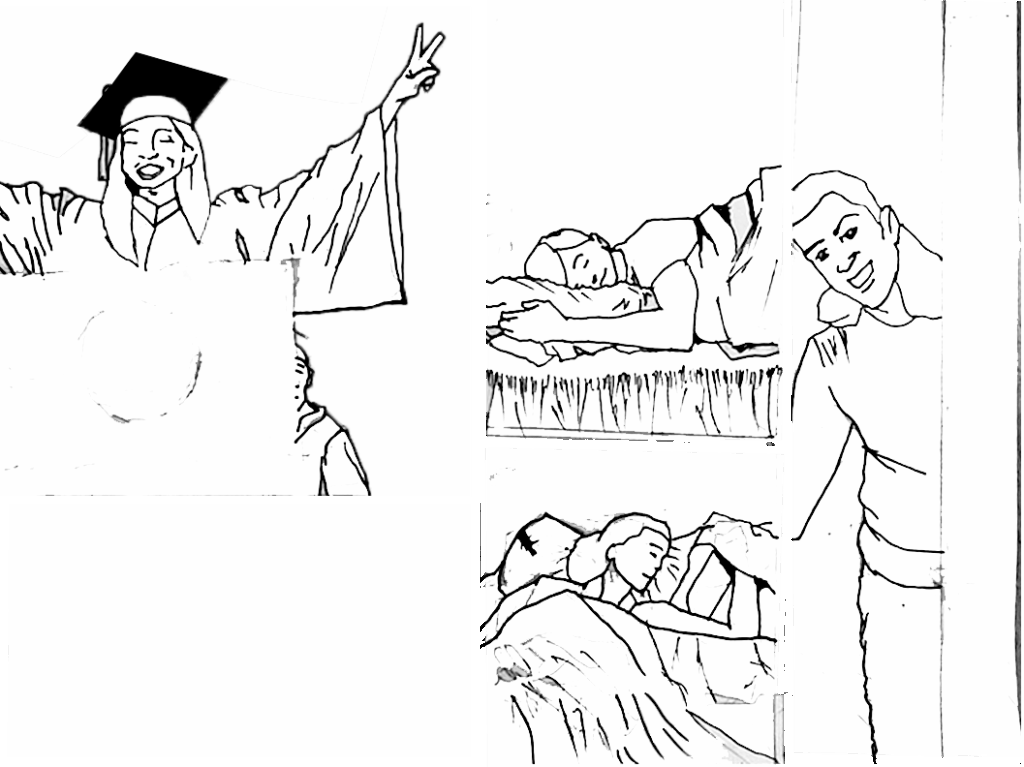
After paneling out the basic story in my head. I then do a Google search for images that brings clearly into focus with detail the images I see in my head for the scenes.

I do a Google search for each panel’s images and bring the images in my mind into clear focus.

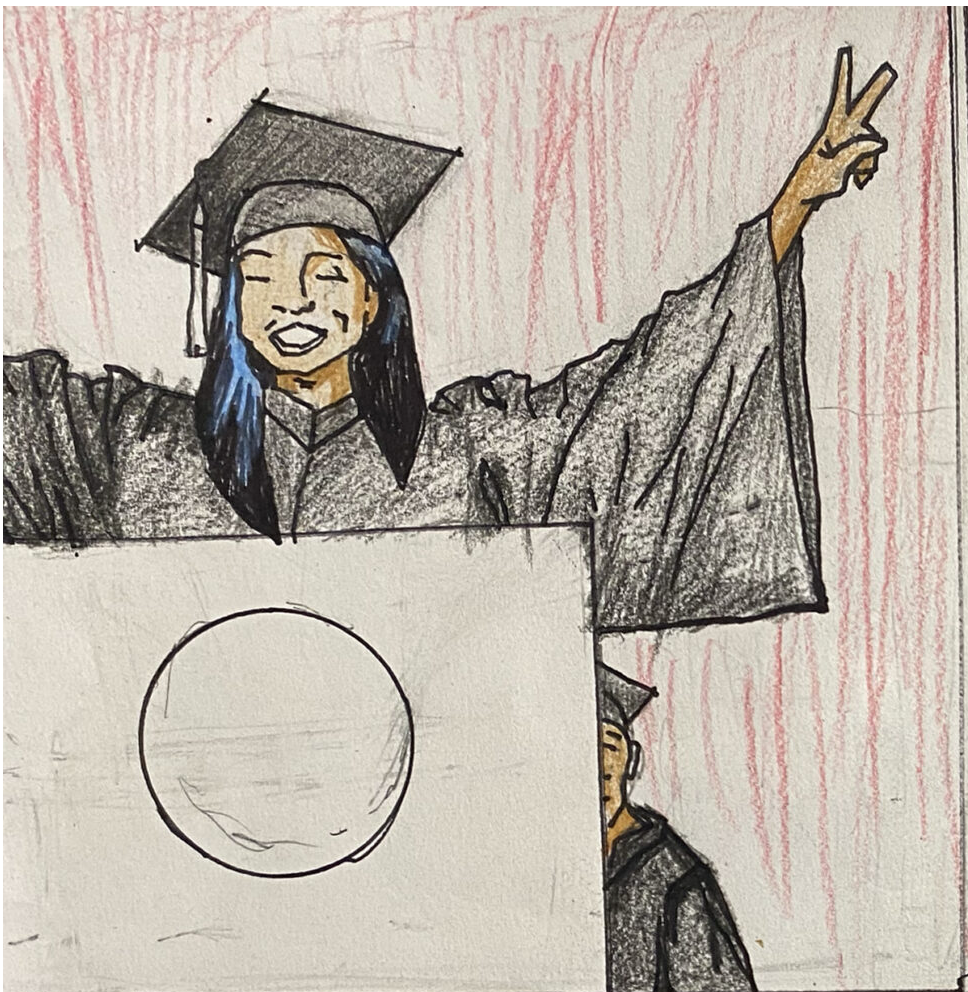
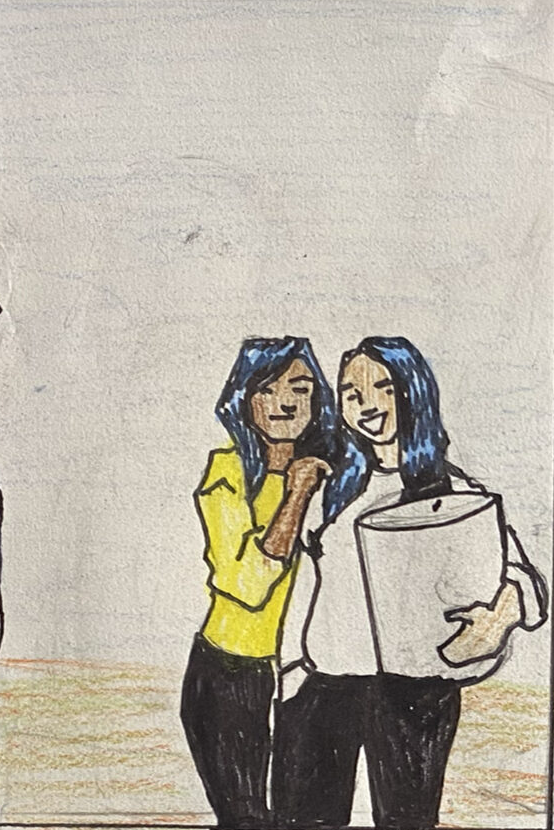
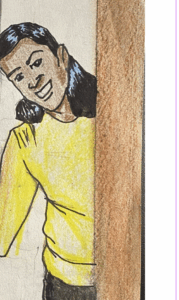
I then get the basic pose and details from the reference images. while keeping the likeness of the characters.

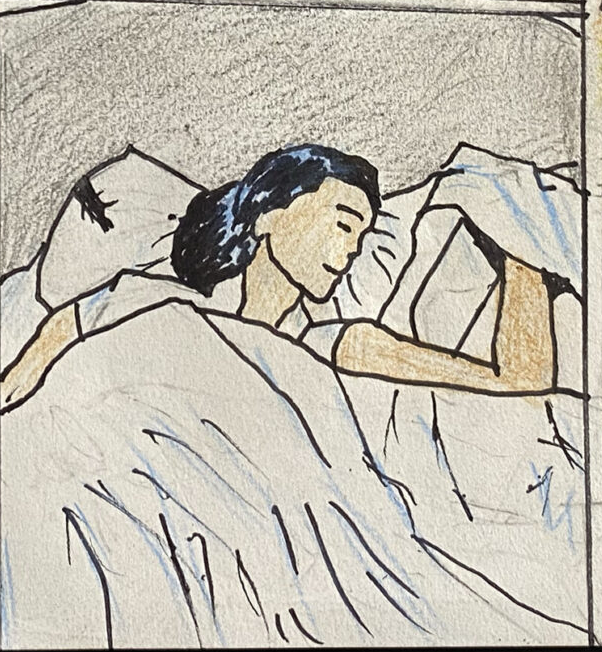
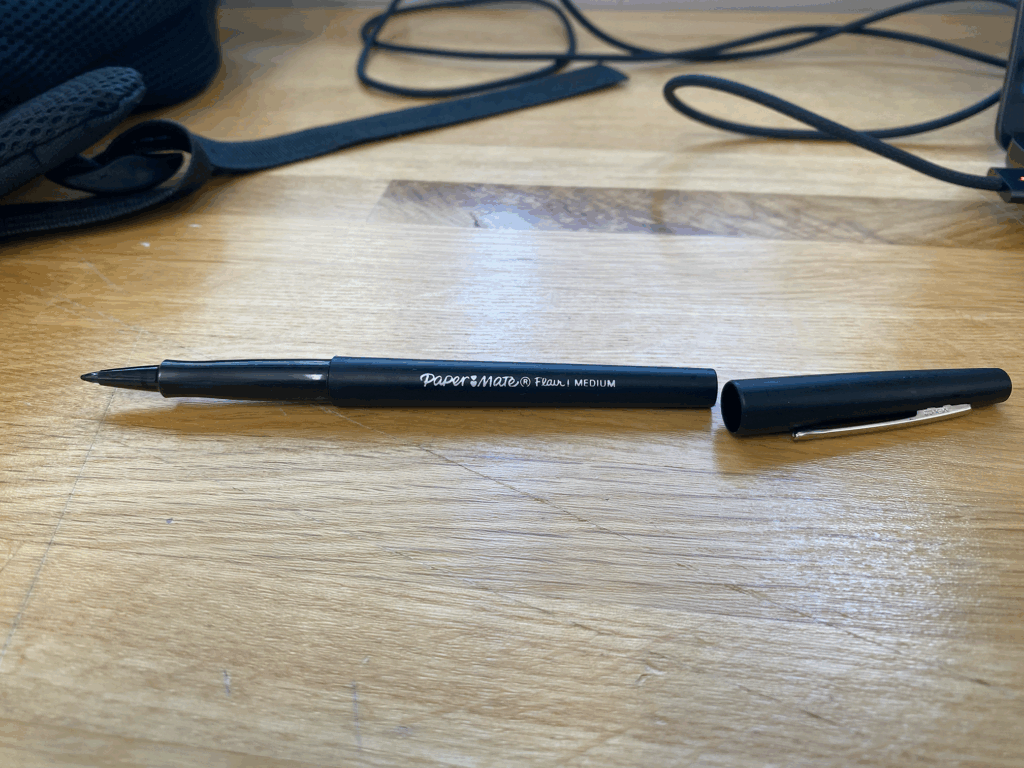
After drawing the original images in pencil. i then use a paper Mate medium flair tip ink pen to do the to carefully go over each drawing then after the ink dries. I erase the pencil lines from the drawings so I can color it.

After inking cleaning up and coloring. I add the text bubbles with the reading.

       UX  DESIGN  RESEARCH PROJECT

  PHASE 1


                                                                                                       CHOOSING                                                                                                Exploring and mapping the domain

This seven-week collaborative project will divide you into teams (or individually) to work on exploring, investigating, studying, analyzing, and eventually, ideating and designing interventions for, a real-world social phenomenon. This project is meant to introduce you to the human-centered design process, leading you through the various stages of how designers conduct research and develop novel and innovative interventions, whether in the form of communications, art experiences, products, services, or other things, for people, by people, with people.

                                                                        The topic I have chosen is the “Bronx Zoo”

Some questions

     •   What impact does the Bronx zoo have on conserving wild life?

     •   How does the Bronx zoo effects the Bronx community?

     •   How many animals does the Bronx Zoo house?

     •   How many workers does it take to run the zoo?

     •   How many veternarians work for the zoo.

     •   How much does it cost to feed the animals each year?

     •   Do people enjoy visiting the Bronx zoo?

          is it well kept?

          How much does it cost to maintain?

Things I know of the zoo

    •    It’s a wild life conservation.

    •    There are exoctic animals housed there.

    •    There is a botanical garden there.

    •    There are animals, birds and fishes from all over the world there.   .  

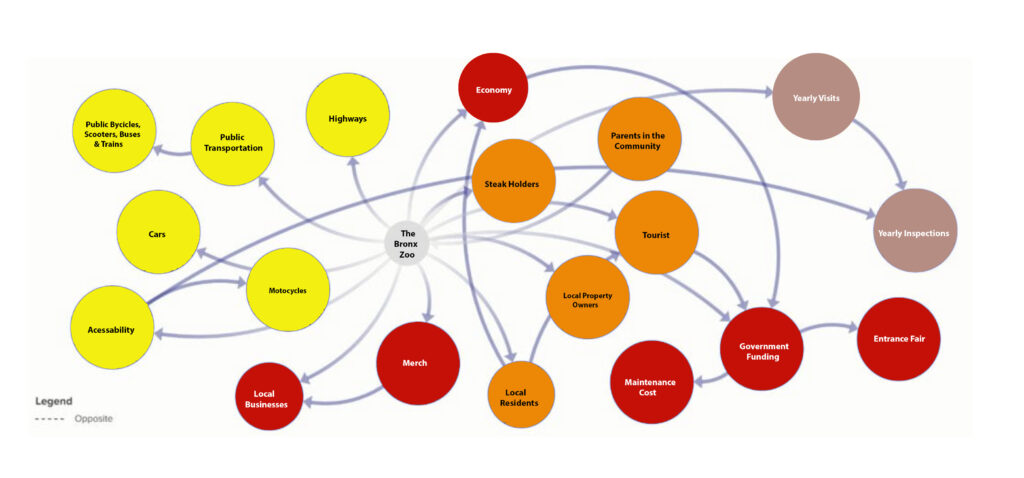
                                                                        Mess Map of the Bronx Zoo

                                                                   Bronx Zoo Revenue and Budget Findings

The Bronx Zoo budget is a complex figure that is part of the larger Wildlife Conservation Society (WCS) budget, which includes significant funding from various sources like city and federal grants, private donations, and gate admissions. In fiscal year 2023, the WCS reported total revenues of nearly $384 million, with a portion coming from its New York City zoo operations, and it has faced budget challenges in the past, leading to past staff and animal collection reductions. The zoo is also a recipient of city funding, as shown by a total budget allocation of $48.6 million from the City of New York in fiscal year 2023. 
Revenue sources 

City and Government Funding: The zoo receives funding from the City of New York through appropriations, and also through grants from U.S. state and federal agencies.Admissions and Merchandise: Gate and exhibit admissions, as well as restaurant and merchandise sales, are a significant source of revenue.
  • Membership Dues: Annual family memberships are a source of regular income.
  • Contributions and Grants: The WCS receives substantial contributions and grants from both private and public organizations.
  • Investment Returns: The zoo’s financial activities include returns from investments. 
Past Budget Challenges 
    • 2009 Budget Cuts: The zoo faced significant budget cuts in 2009, which led to the reduction of staff and animal collections, and the closure of some exhibits.
    • 2012 Budget Cuts: Further cuts in 2012 from the city budget also impacted the zoo’s funding. 

Other Financial Information 
  • Ticket prices: Ticket prices are a direct revenue stream, varying with peak and off-peak seasons.
  • Annual family membership: Families can purchase annual memberships for unlimited visits for a set price. 

                                                                                                                              Bronx Zoo Accessibility Findings

                                                    Bronx  Zoo Health Maintenance Findings  

 
The Bronx Zoo maintains animal health through a dedicated Wildlife Health Center that provides medical, surgical, and diagnostic care, as well as on-site pathology, emergency treatment, and a new quarantine facility. Animal health is a team effort, involving veterinarians, keepers, and other staff who manage daily care, nutrition, and husbandry for a wide range of terrestrial and aquatic species. The zoo also emphasizes education through programs that teach children about animal health and the importance of conservation. 
 
Medical and surgical care
    • The Wildlife Health Center functions as a teaching and research hospital.
    • It offers comprehensive medical and surgical treatment technologies.
    • On-site pathology diagnostic capabilities are available.
  • Emergency care is provided for zoo animals.
  • Diagnostic, surgical, and follow-up care are provided for aquatic vertebrate and invertebrate species. 
 
Quarantine and isolation
  • A new LEED Silver certified quarantine facility helps isolate and treat sick animals, and quarantine new arrivals.
  • The facility includes six isolation wards for various animal types.
  • Each isolation ward has its own HVAC system to control pressure, temperature, humidity, and lighting. 
 
Daily operations and husbandry
  • Daily health checks are performed by staff, often in collaboration with veterinarians.
  • Routine tasks include animal feedings and habitat cleaning.
  • Specialized staff are responsible for preparing diets and care plans.
  • The zoo’s efforts to improve animal nutrition are led by a nutritionist who works to replicate natural diets as closely as possible. 
 
Education and public programs
  • The “Dr. Zoolittle’s Health Center” program is a hands-on experience for children to learn about animal health and veterinary care through imaginary play and observation.
  • This program helps children understand the connection between their own health and the health of zoo animals. 
Yes, many people who live near the Bronx Zoo, including those in the Bronx and surrounding areas, visit it frequently. Local residents often get memberships and visit multiple times a year for family outings or to take advantage of special events. 
  • Local memberships: Many New York City residents, especially those in nearby boroughs, find it worthwhile to purchase annual memberships because it allows for frequent visits throughout the year.
  • Family outings: Families with children, even those who live a few hours away, become frequent visitors due to the zoo’s appeal to younger audiences.
  • Year-round attraction: The zoo is open and has events happening throughout all seasons, making it a popular and accessible destination for locals year-round. 
Yes, many teenagers who live close to the Bronx Zoo do visit, especially if they have an interest in animals. Some may have visited frequently since childhood, while others might visit for a special outing, though they are required to be accompanied by an adult chaperone. The zoo is a popular attraction in the Bronx and Fordham University students, who live very close by, also visit, sometimes with discounts. 
  • Local residents: Teenagers from the Bronx and surrounding areas, like Queens, may visit the zoo. One person mentioned their daughter goes to Fordham University and has visited the zoo many times.
  • Interest and affordability: Whether a teenager visits depends on their interest in animals, the weather, and whether their family can afford the ticket price. Some local students may also get discounted admission.
  • Chaperone requirement: All visitors aged 17 and under must be accompanied by a paying adult (18+). This means a teen’s visit is likely a family outing or with an adult.
  • Other attractions: Some teenagers might prefer to do other things in NYC, but the Bronx Zoo is a popular local attraction for those who enjoy zoos.
  • Best times to visit: Some people suggest visiting on a weekday or in cooler months when certain animals are more active. 
Yes, it’s likely that children under 12 who live near the Bronx Zoo visit frequently, as kids’ zoos are popular destinations, and the Bronx Zoo is a major NYC institution. However, while many kids enjoy zoos, the frequency of visits for those living nearby is not a specific metric available in the search results. 
  • General popularity: Zoos are a popular activity for children, with millions of kids visiting accredited zoos every year.
  • Local relevance: The Bronx Zoo is a large, iconic institution located within the city, making it a prime destination for residents, especially those in the Bronx.
  • Logistics: The zoo requires a visitor to be 17 or under to be accompanied by an adult chaperone 18 or older, so it’s an activity done with family or guardians. 
However, no specific data is available to confirm the frequency of visits for nearby children under 12.


Yes, the Bronx Zoo helps the economy of the surrounding community through revenue generation, job creation, and community investment. As a major tourist destination, it draws visitors who spend money on tickets, food, and merchandise, which benefits local businesses. The zoo also provides hundreds of jobs and is a major employer of youth, offering valuable employment and career development opportunities in the area. 
 
Economic impacts
  • Revenue and tourism: The zoo attracts millions of visitors annually, generating revenue that is spent on admission, food, merchandise, and transportation, supporting local businesses.
  • Job creation: It is a significant employer, providing jobs for hundreds of people in various roles. It is also a major employer for young adults in the Bronx, offering employment and internship opportunities that provide career pathways.
  • Community investment: The Bronx Zoo invests in local schools, community organizations, and businesses through partnerships that support educational programs and job training initiatives.
  • Economic multiplier effect: The influx of visitors and the zoo’s operations support a wider network of local businesses, from restaurants to hotels, creating a broader economic ripple effect in the community. 
Yes, the Bronx Zoo helps local businesses by providing jobs, generating tax revenue, and attracting visitors who spend money in the local economy. It is the largest employer of young adults in the Bronx, and its economic impact supports a variety of local businesses. 
  • Employment and job training: The zoo and its parent organization, the Wildlife Conservation Society (WCS), are major employers, particularly for young adults in the Bronx through programs that provide jobs, internships, and career pathways.
  • Economic stimulus: Millions of dollars are pumped into the local economy through zoo operations, which benefit local businesses like restaurants, hotels, and retailers.
  • Partnerships: Zoos and aquariums often partner with local businesses to diversify the local tourist economy.
  • Community involvement: The zoo is a member of the Cultural Institutions Group and works with local and city government to support the economic health of communities neighboring the cultural institutions. 

                    I am changing my topic to the MTA at this phase 

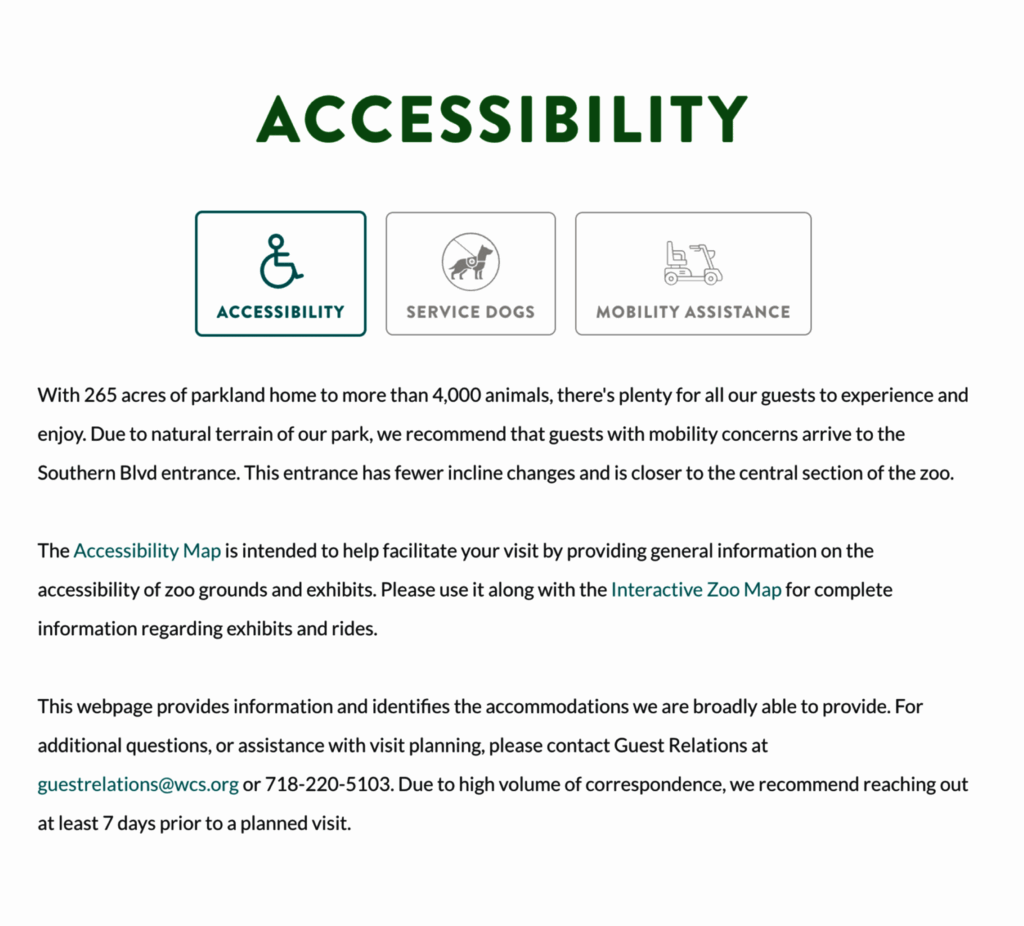
While exploring the accessibility of the Bronx Zoo. I was lead to the NYC subway. The NYC Subway is a world within itself to research. I was invited to join group that’s also researching the NYC Subway. At this point I have decided to branch off at this intersection where the zoo meets the NYC Subway. To research and explore it and some of it’s issues more indepth with the group.

PHASE 2

                           CONDUCTING SECONDARY RESEARCH

  1. Continue to conduct even more in-depth secondary research about your chosen topic as this will help you start to focus your efforts moving forward. Share and discuss your findings with your group.
  2. Revisit, modify and refine the mess map with what you know now.
  3. Prepare to report back and show your revised mess map to everyone else in the class and your new research questions. Update your process blog with your progress over the week, emphasizing what you learned and did in your group. 

NYC Subway waiting areas and safety concerns especially among female passengers.

Conducting even more in-depth secondary research by observing passengers and how frequently threatening situations happens while commuting with the subway.

While observing passengers on the 2 train. During the morning commute. I noticed a passenger after she made eye contact with me and shook her head. She then looked over at a man drinking a beer and talking to himself. As the train was pulling into the station, he looked at me, then looked at her and exited the train.

The moment the train door closed and most of the passengers left the car with the man who was drinking. She started to talk about her being uncomfortable riding the train with the man drinking a beer early in the morning. I told her I was currently conducting a study at NYU about passengers feeling unsafe during there commute and recorded our conversation.

A woman suggested police presents in every train car would make passengers feel safer.

Feeling unsafe on the subway is a common concern among riders, and various measures like increased police presence are continuously being implemented to address it. It’s important to prioritize your personal safety using the resources available. 

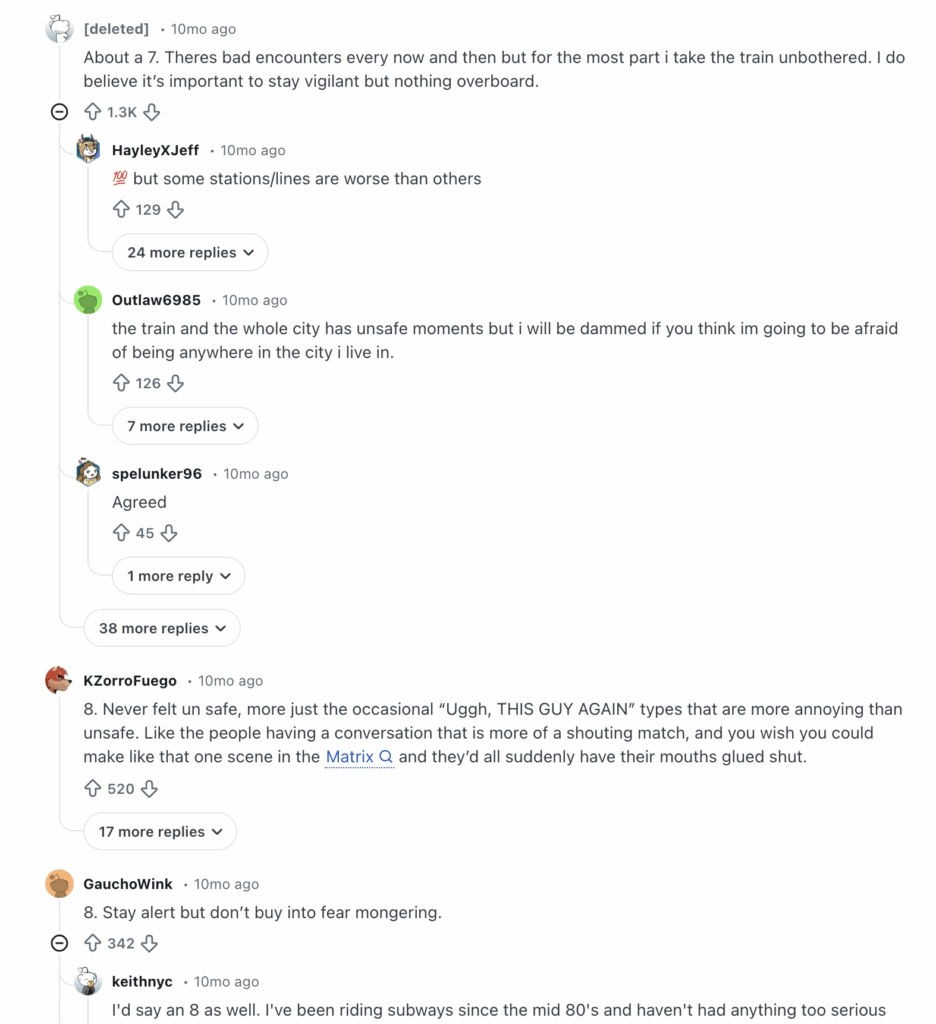
On a scale of 1-10, how safe do you HONESTLY feel in the NYC Subway

Reddit Recently did a survay on how safe passengers feel. This is some of the results

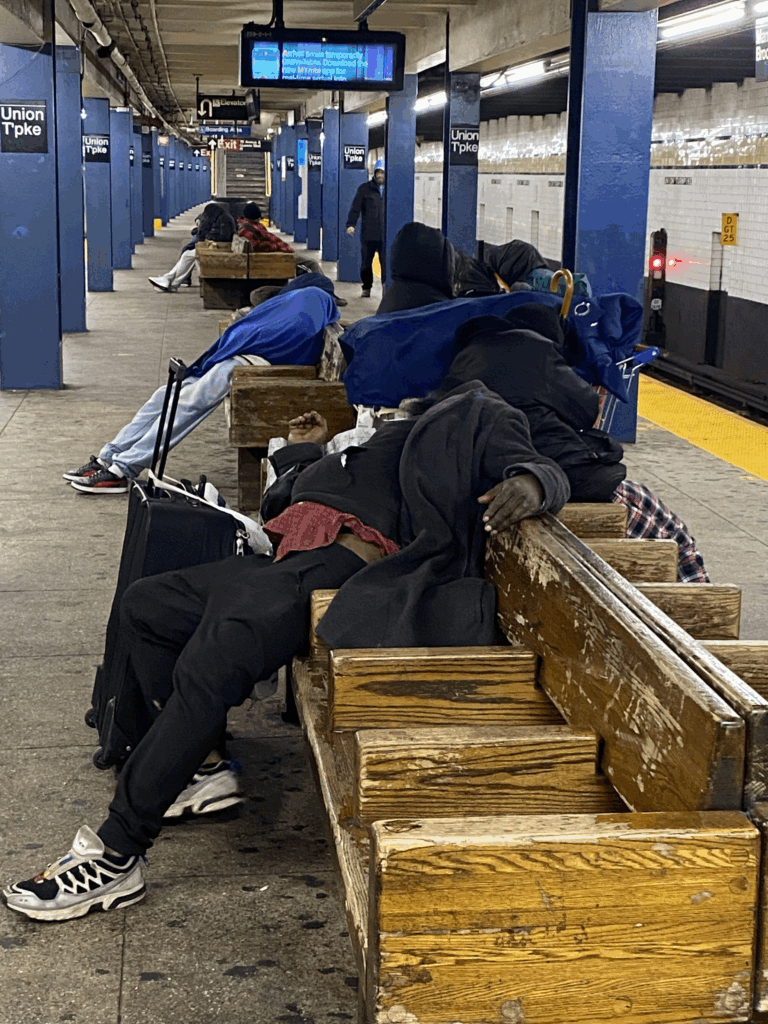
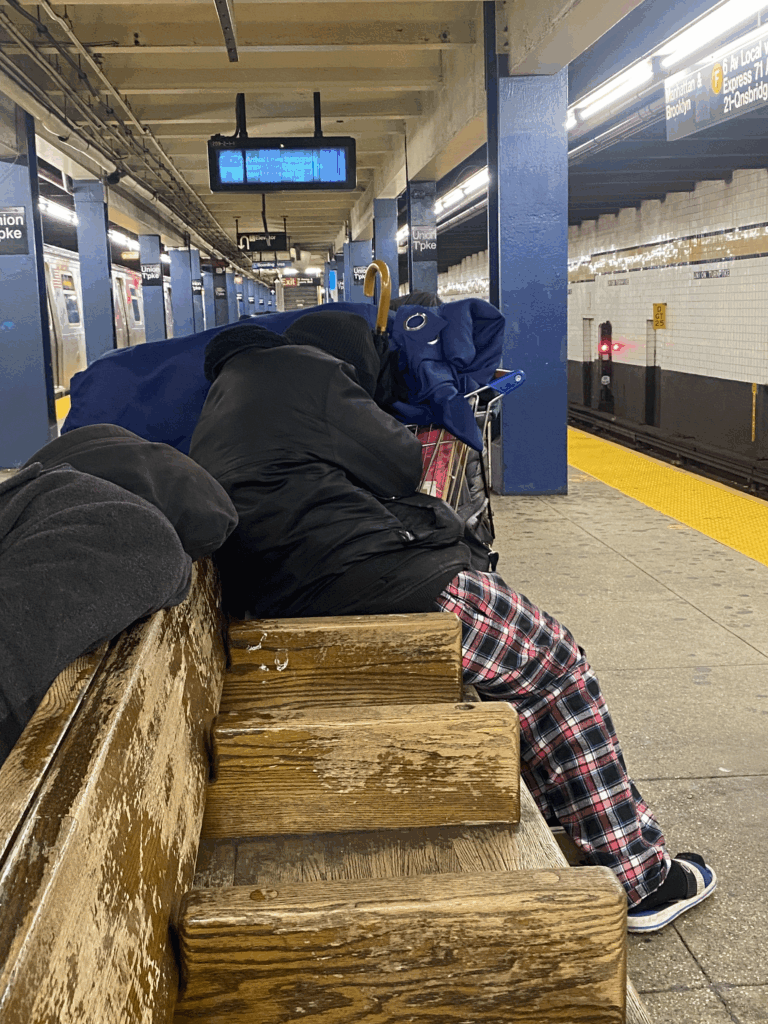
Conducting research on passengers concerns about feeling unsafe and uncomfortable at  subway waiting areas late nights. Due to drug addicts, alcoholics and the mentally ill.

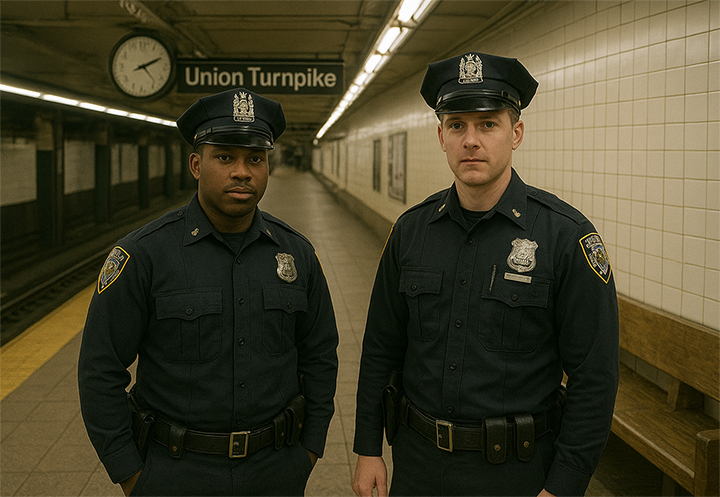
Union Turnpike waiting area at 2 a.m.

Conducting in-depth research on feelings of discomfort and feeling unsafe in the NYC subway system late at night.

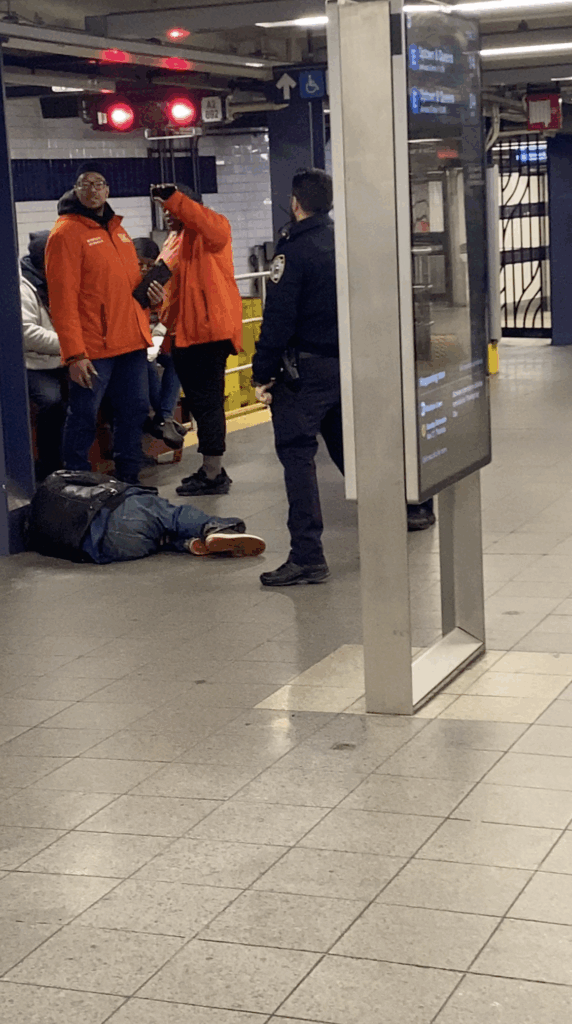
While conducting research on passengers concerns of feeling uncomfortable and unsafe late nights on NYC subway. I came across this scene.

I did see outreach workers along side members of the NYPD, working to get some of the homeless to help centers.  

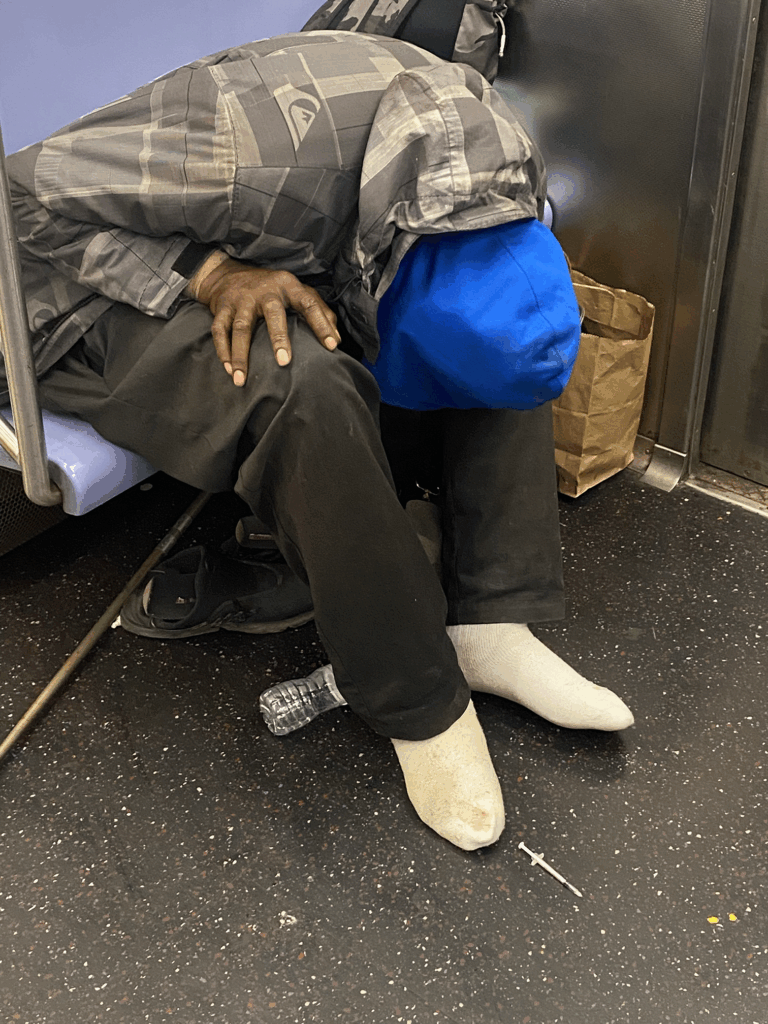
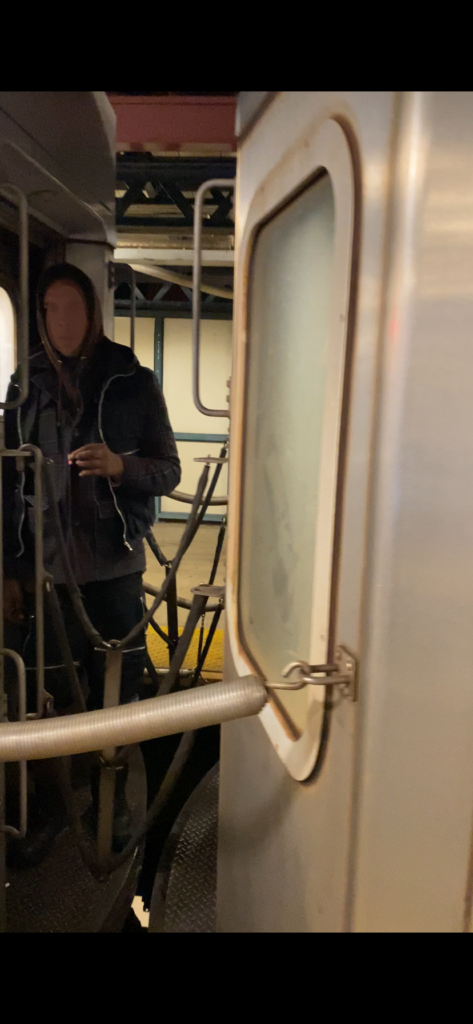
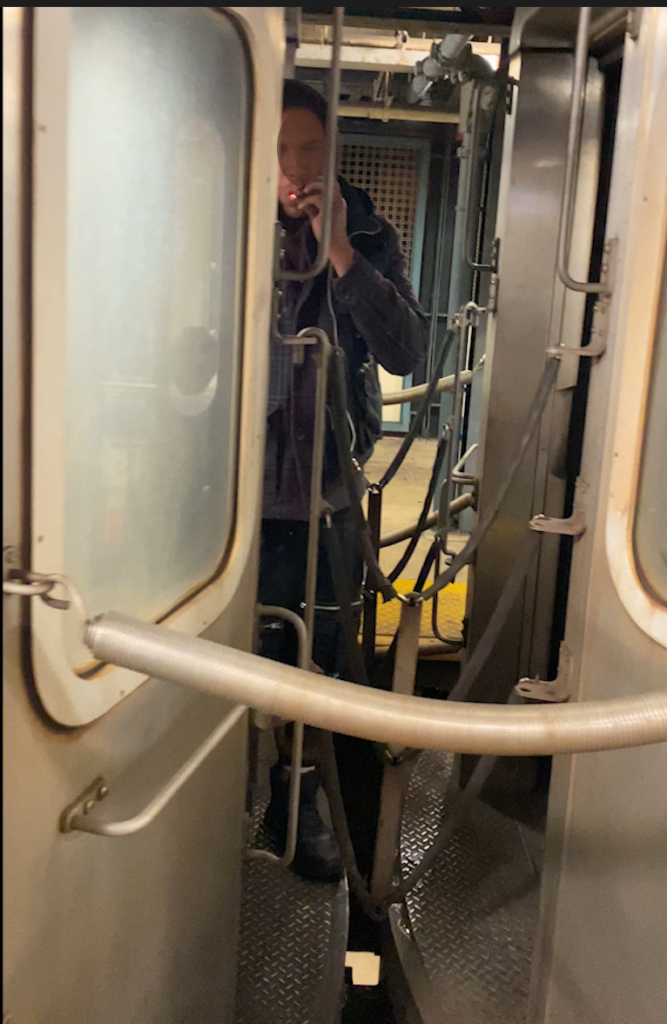
This guy was about to smoke crack on the train. I told him he couldn’t smoke crack in ther train car so he went between the cars to smoke crack.

I remember I was documenting things that made people uncomfortable taking the train at night.

This guy was about to smoke “crack” right in the train car with me and the other passengers and fill the car up with crack smoke. I told him to get out the car with it. He went to smoke it between the train car and then I remembered. I am doing documentation on things that make people uncomfortable and scared on the train late at night.

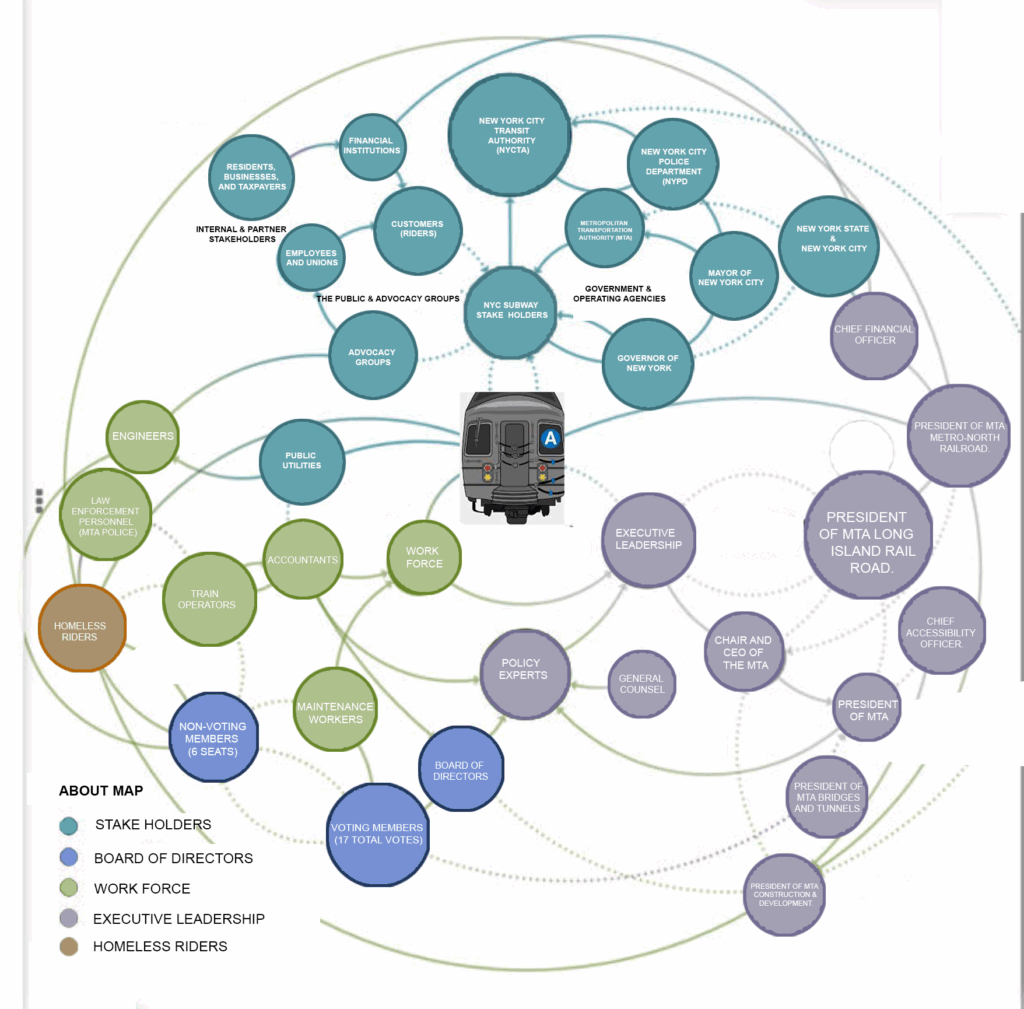
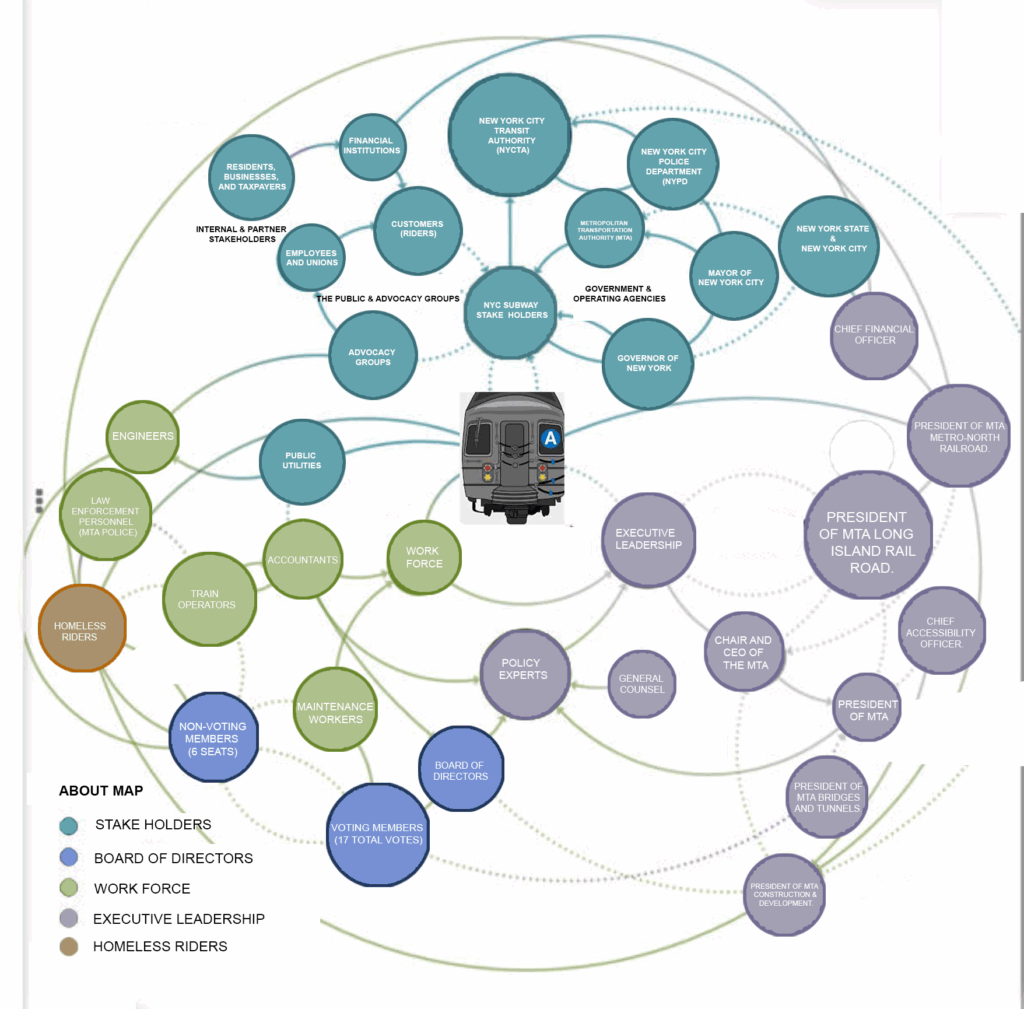
NYC subway stakeholders mess map.

PHASE 3 

  1. Identify stakeholders categories and real individual members from those categories, to make sure you have a comprehensive representation of perspectives. 
  2. Choose at least two different methods to try with them, develop a research plan that covers when and how you plan on conducting these methods and prepare the materials you need to conduct them with your stakeholders.
  3. Run your methods and document them.  
  4. Prepare to share your methods, why you chose them, and how you ran them with your stakeholders, what you learned, and what challenges you encountered, to the rest of the class. Update your process blog with your progress over the week, emphasizing what you did in your group.

                              Identifying the Stakeholders.

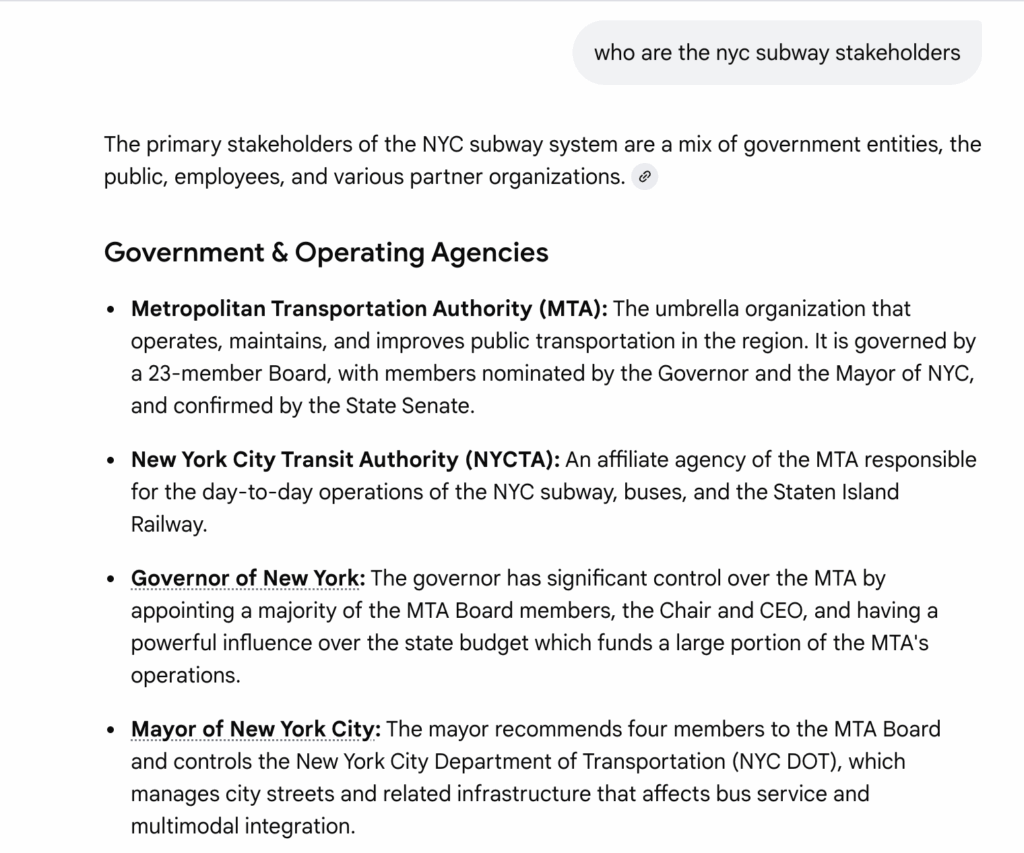
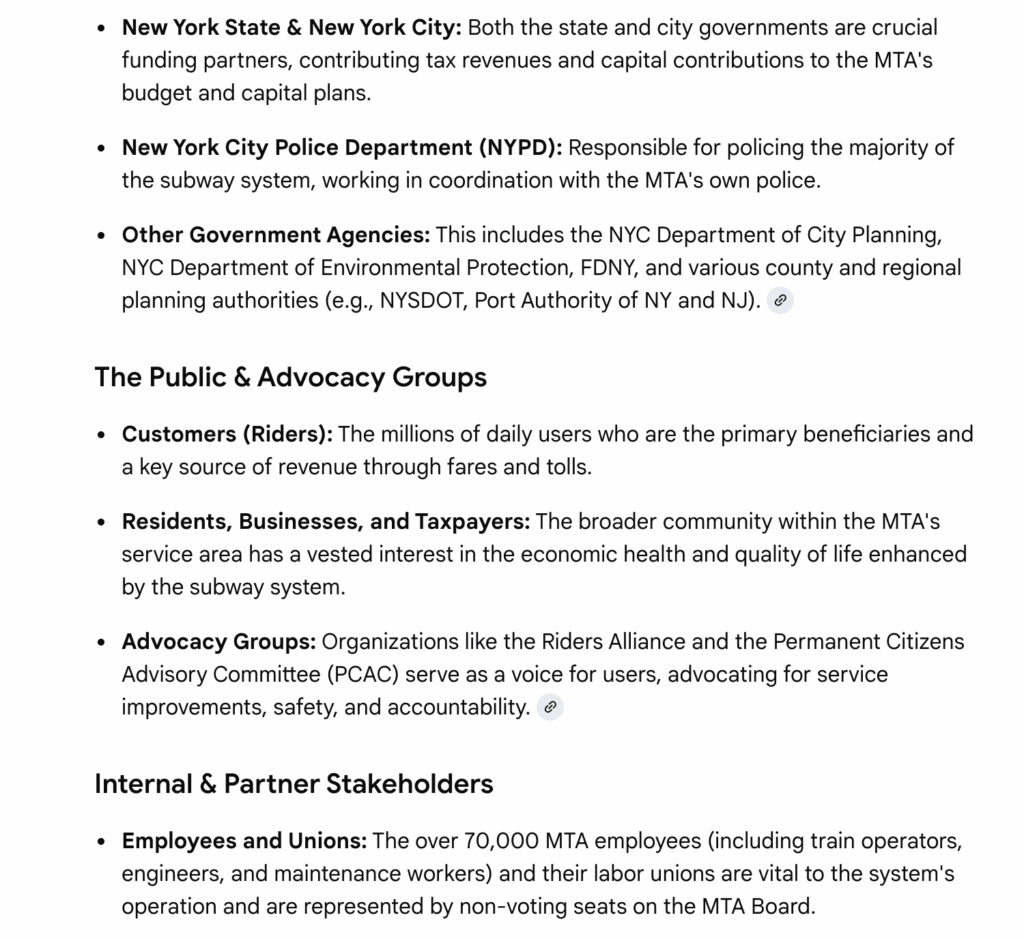
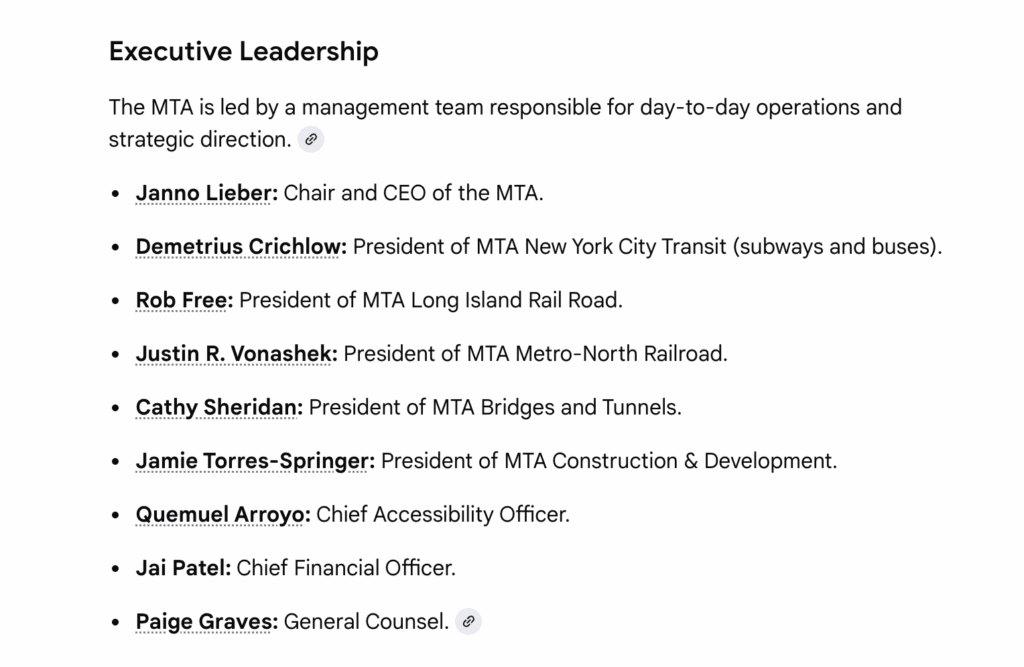
These are the primary stakeholders of the NYC subway system.

These are 2 solutions to help solve subway passengers feeling uncomfortable and unsafe at waiting areas and riding the subway late at night. 

1. Is to have four security guards station at a subway waiting area that is supervised and maintain by the NYC transit Police.

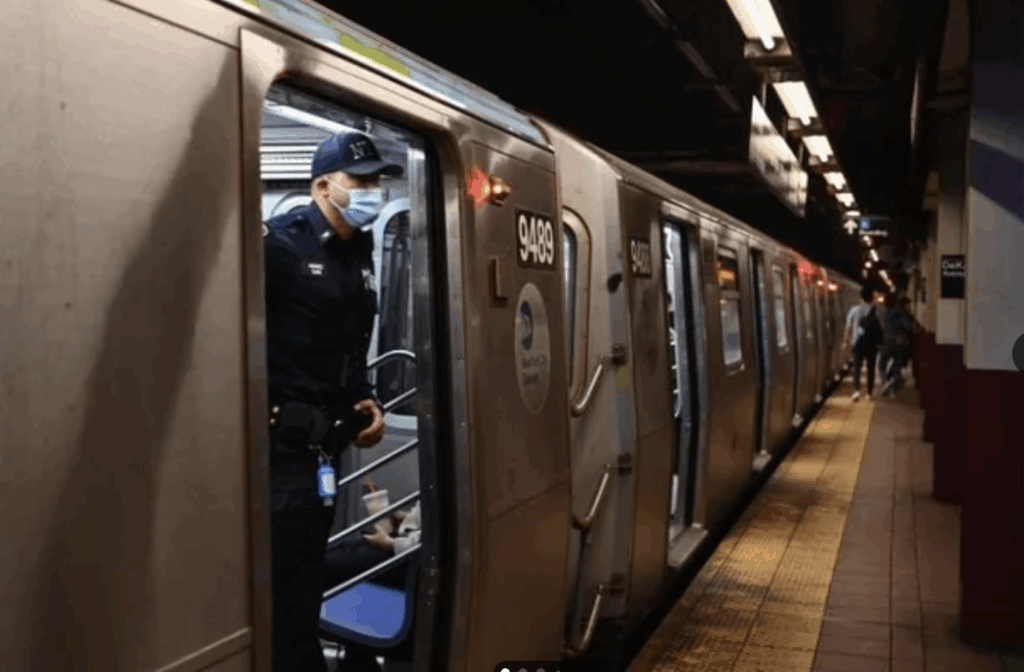
2. Place 2 transit officers in each train car.

Two ways to present these solutions to the stakeholders are by using brochures and eye catching comics.

PHASE 4

PHASE 4 – IDEATING, prototyping & PLAYTESTING

Using at least two evaluative methods, have a look at the research you’ve done so far, and try and pick out the most valuable and salient insights that really speak to things that you could intervene on for your stakeholders. Prepare to develop narratives (possibly personas, if appropriate) based on your findings which connect your users’ needs, desires, or other findings to the insights that you’ll use to develop ideas, and develop no less than three different concepts in your groups for design interventions that would benefit your stakeholders. For evaluative methods, please refer back to Hanington and Martin’s Universal Methods of Design

Based on the information you have heard so far, the data you collected and your stakeholders’ experiences mixed with your research findings from the previous weeks, do you and your team have any ideas of interventions, prototypes, gaps that design (of a product, service, experience, etc.) could fulfill? Spend some time ideating not only different versions of an idea but also different directions that employ different media, different senses, different tools. Each of these concepts should utilize and build on your insights and your research. Ideate and sketch these concepts and have them ready to present next week – you may also, if you have time, develop some basic mock-ups of your ideas to help better convey them: these could be wireframes, basic physical models, a service blueprint etc.

Among yourselves but also with your peers and stakeholders, try and get some super early feedback on those ideas that you feel to have the most potential. Update your process blog with your progress over the week, emphasizing what you did in your group.

  1. Analyze and synthesize your research findings so far using evaluative methods in order to help you develop a minimum of three concepts, with sketches and mock-ups, for design interventions based on your stakeholders’ input.
  2. Ideate alone and with your team members to develop different early and rough concepts and try and gather some feedback on them as soon as you can to help you choose a direction. 
  3. Select one final direction to pursue further in your research and through more prototyping.
  4. Start sketching and developing the concept for a higher-fidelity prototype to user-test with the class next week. 

      After observing the passengers first hand, witnessing and experiencing some their situations with them. I know of their concerns and discomfort are very real. Passengers are faced with countless people with mental illnesses during their daily commutes some of them are harmless some of them might  not be so harmless.

     I have observed on occasions on the train myself. People that seem “normal” looking to vent their own frustrations. wether superficial or deeply rooted by starting fights or harassing other passengers. On a daily basis commuters must navigate correctly around these individuals in order to make it to there destinations safely.

     Navigating these threats every morning on their way to work and every evening to make it home safely. Could be some of the contributing factors to New Yorkers generally have a facade on the train. Serious face, mine their own business, not too friendly and emotionally shot down temporarily. I guest this bad reputation is just a means of survival.

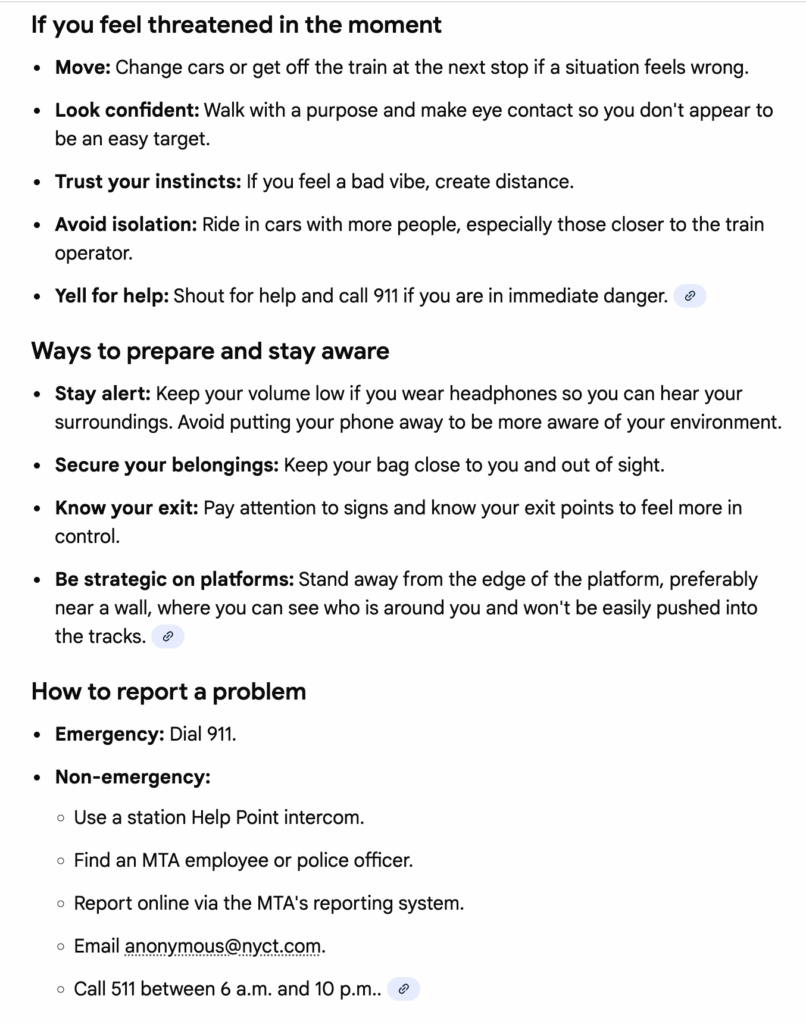
These are some ways the city have in place to help passengers who feel threatened or unsafe. 

Though the NYC transit and the city of NY have some measures and actions in place passengers are more concern about the immediate presence of security and safety at all times.

Solution 1

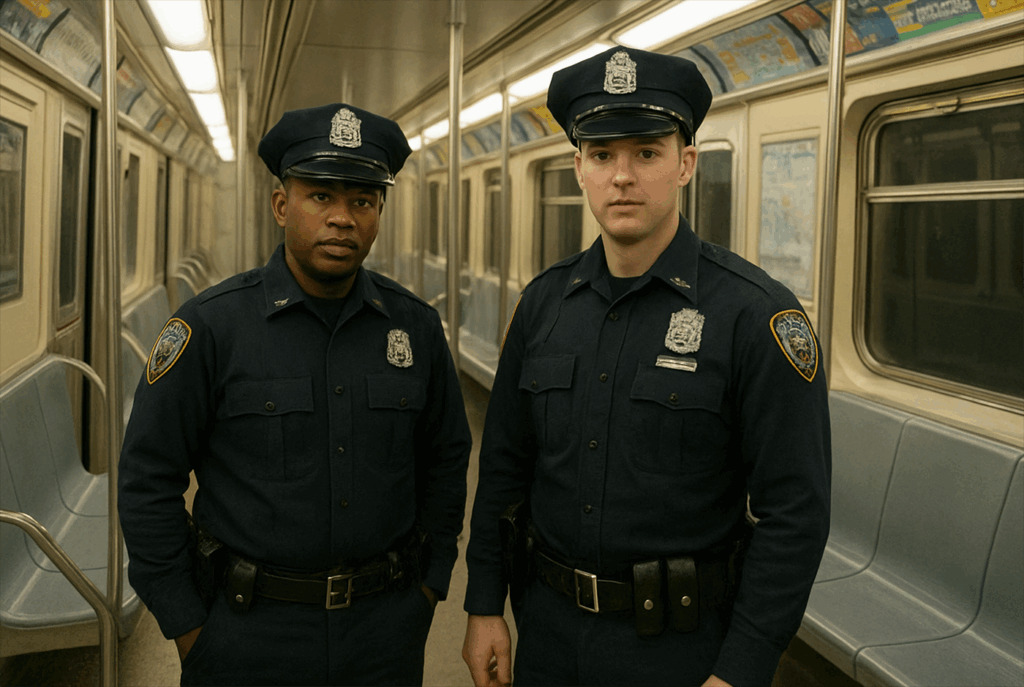
From the data I have gatherd regarding passengers feeling unsafe on the train. one solution would be to have 2 uniform officers present in each train car 24 hours or at all times while train is in service.  

Solution 2

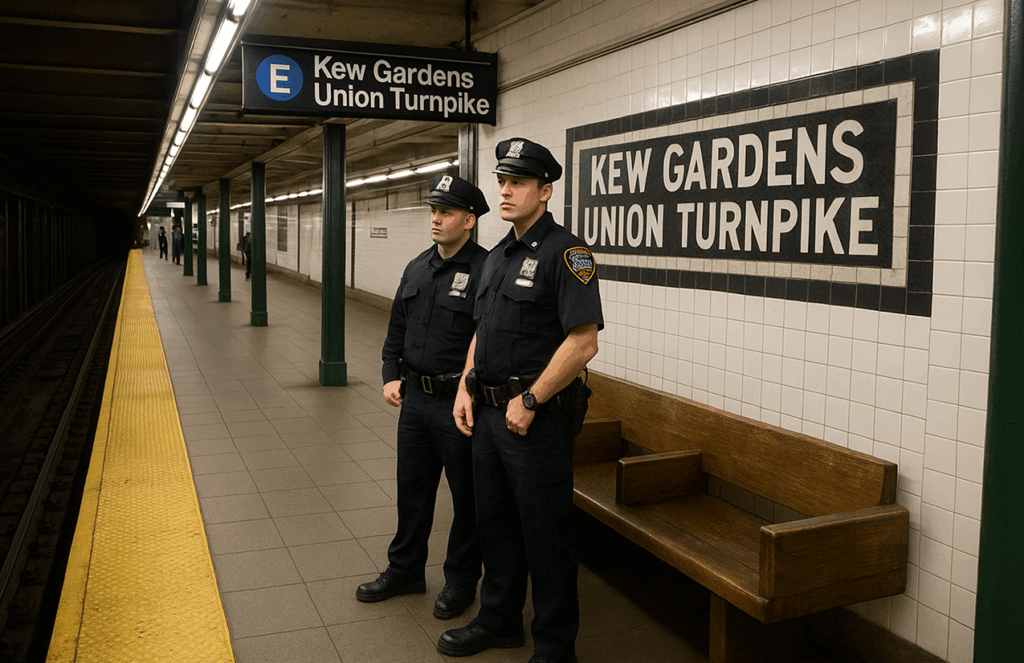
From the information I have gathered about passengers concerns of feeling discomfort and unsafe commuting on the subway the second of 2 solution is to all subway waiting areas kept well light. Along with the presents of 2 uniform transit officers at all times.

After bouncing the idea off Kudarat she said the well light seeting area with 2 officers is a great idea, but there is only one problem. Not everyone feel safe around police officers. I bounce the idea off a male black passenger and he replied he would feel better if one was black and one was white at all times. So After taking this into consideration I have decided to implement it.

After getting feedback. I thought about the concern that police officers with guns can make some passengers nervous. One solution is have the Allied Security officers guard waiting area, that would be too confrontational. So it’s better to let the transit officer patrol the waiting areas.

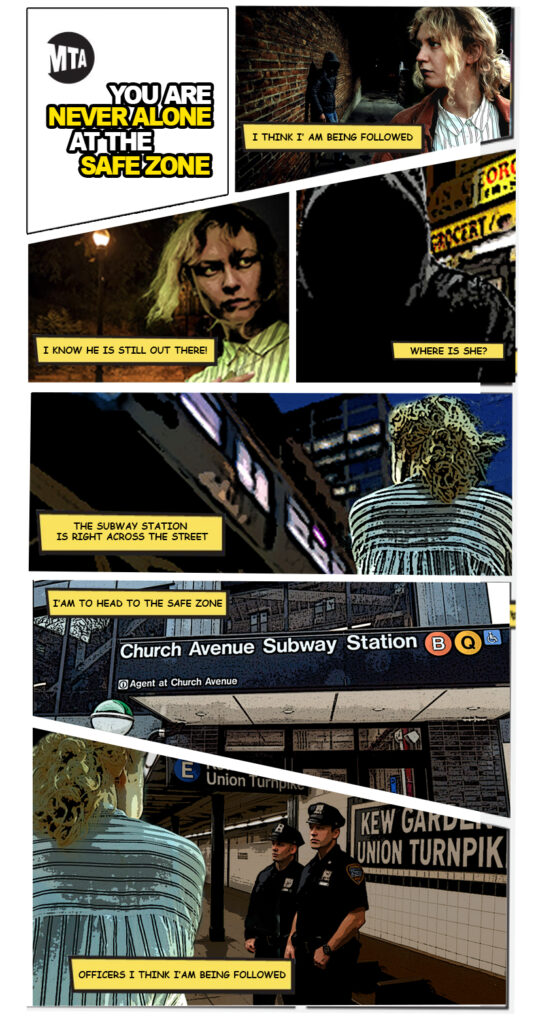
Two ways to present these solutions to the stakeholders would be to use brochures and comic strips.

Phase 5

PHASE 5 – Analyzing findings & SYNTHESIZING Insights

Based on early feedback on your concepts, begin work on a prototype to showcase alongside your final presentation. You could, in order to better get a sense of what your final prototype would be, test your three previous concepts with stakeholders in a quick design charette or A\B testing exercise and get feedback from them. Your final prototype can synthesize multiple features across all of your earlier concepts, take one of them to develop and refine further or extend one of them in a slightly different or new direction. If you have a specific direction, you could iterate on your prototype in order to push its design as far as the time and current constraints allow. 

Regardless, your prototype should show significant growth from its earlier iteration. Prepare to show your prototype to the rest of the class next week and talk about what you are aiming for and how you envision it working. Document your process well on your blog, and be prepared to present it, along with your finished work, in class. 

Tasks

  1. Continue designing and developing the concept for your higher-fidelity prototype to present alongside your final presentation. Test your designs with as many people as you can. 
  2. Start preparing narratives, personas for your key stakeholders, connecting them to insights that are useful to build your final presentation narrative around. 
  3. Prepare a draft of your presentation materials (storyboard, presentation skeleton, etc.) to share with the class during the next meeting. 


Methods of showcasing solutions and presenting them to the steakholders.

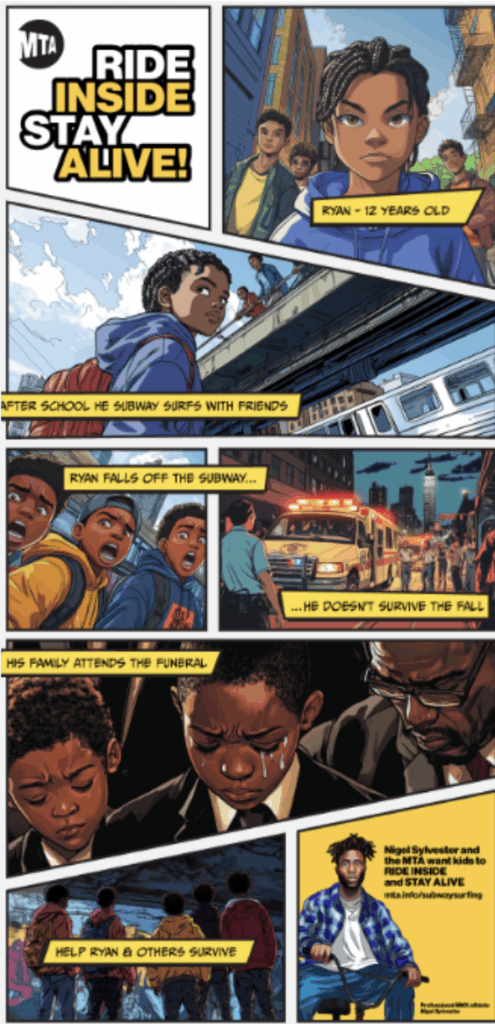
Comic Strips

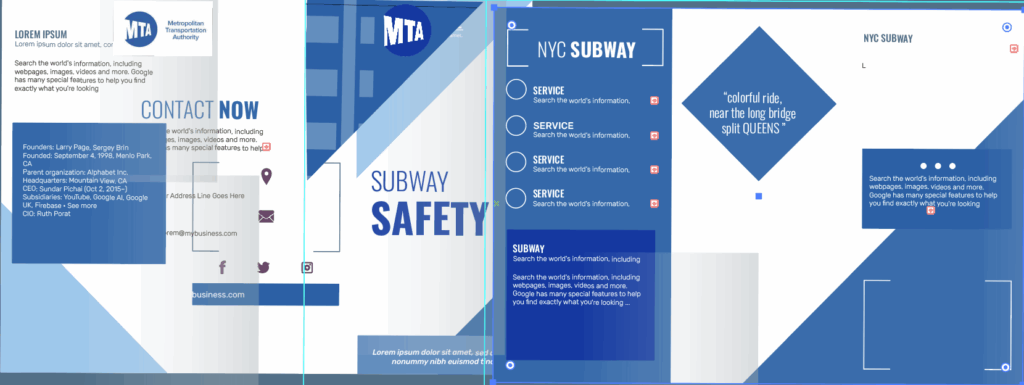
BROCHURES.

While Designing the Brochure I decided to explore some of the MTA’s more updated options.

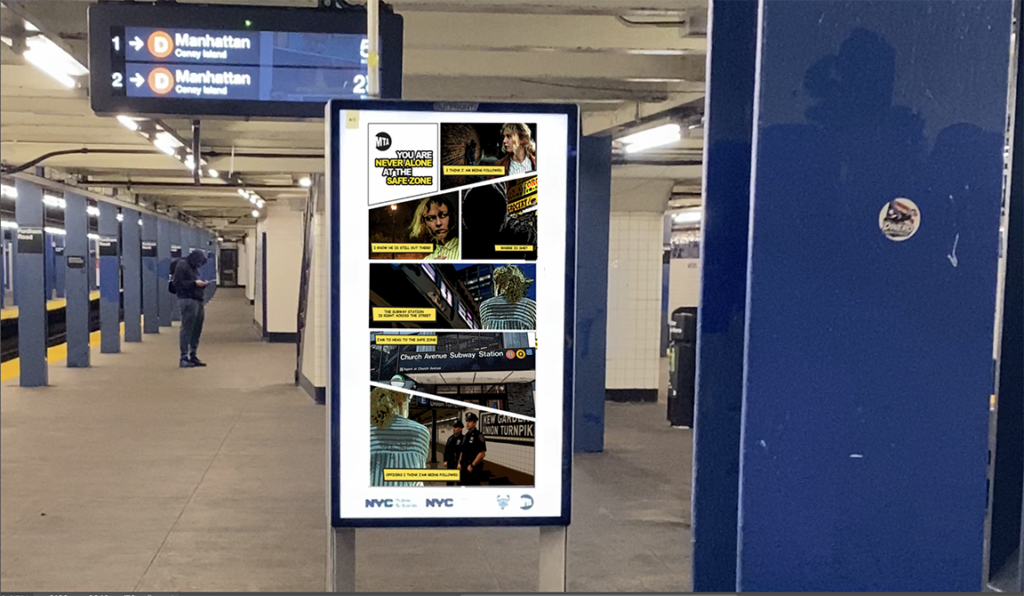
This slide show ad is meant to be played on the subway platforms and in subway cars to promote the safety zones.

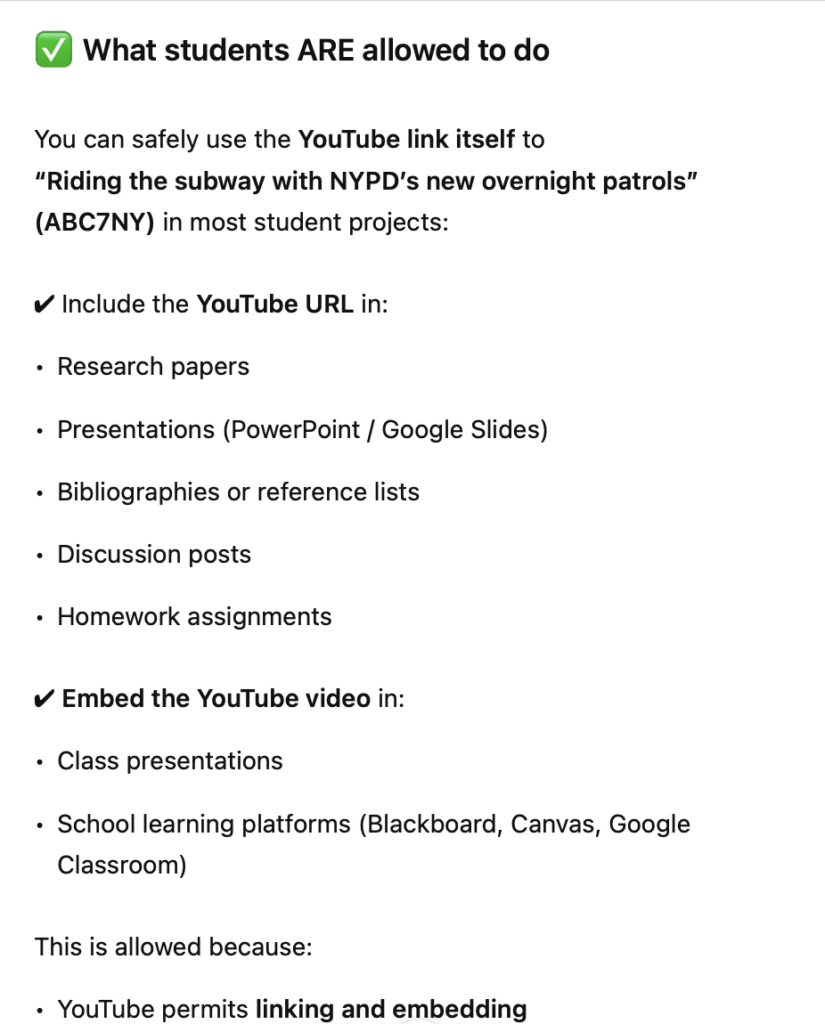
The video with Mayor Adams is called “Riding the subway with NYPD’s new overnight patrols.”https://youtu.be/TW7B_dm_dA4?si=Lr6Y0Dz6NzjCmYFU


When I started to investigate what made people afraid and nervous taking the train late at night I had some idea what to expect. I was hoping all the things that could happen didn’t happen. I didn’t expect to feel so much empathy for the homeless, mentally ill and substance abusers. Some can be dangerous, but  some are harmless and the thing is you don’t have signs on their head to tell you who is who.I realize that it’s going to take more than just policing to ease late night passengers fear and nervousness late at night. It’s going to take a combine effort between the police and outreach workers.